Proudly Serving the Phoenix Metro Area



Paradise Valley Hard Water: How Whole-Home Filtration Protects Your Luxury Fixtures and Appliances
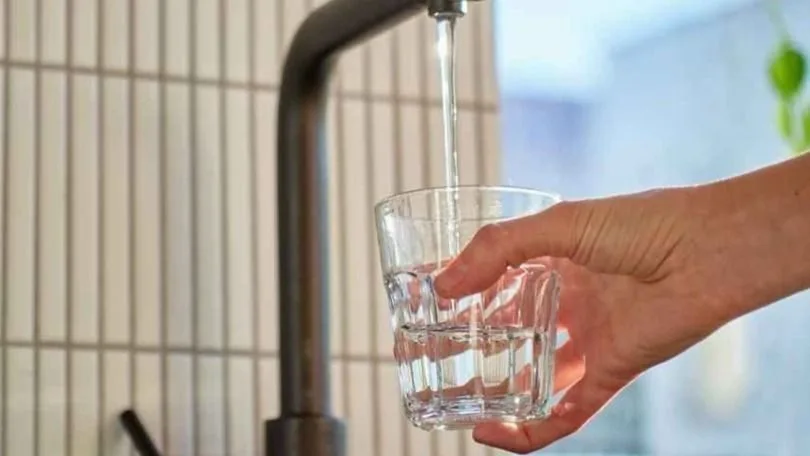
Paradise Valley, Arizona, is known for its beautiful homes, custom bathrooms, luxury kitchens, and high-end appliances. However, even the most carefully designed plumbing systems can experience problems caused by hard water. White mineral deposits on designer faucets, cloudy shower glass, and scale buildup inside expensive appliances can become frustrating maintenance concerns for homeowners throughout the Greater Phoenix area.
Hard water contains dissolved minerals that can accumulate on plumbing fixtures and inside water-using equipment. Over time, these deposits may affect appearance, performance, and maintenance requirements. Fortunately, properly selected whole-home water treatment can help address these concerns and reduce mineral buildup throughout your property.
In this guide, we’ll explain how hard water affects Paradise Valley homes, why luxury fixtures and appliances may need extra protection, and how whole-home filtration, water softening, and other treatment options can help protect your plumbing system.
Why Is Hard Water a Concern for Paradise Valley Homes?
Hard water contains elevated concentrations of dissolved calcium and magnesium. These minerals occur naturally as water moves through soil and geological formations before reaching municipal water supplies or private wells.
Water throughout the Greater Phoenix region commonly contains hardness minerals, although concentrations vary by water source and treatment conditions. Paradise Valley homeowners should confirm their property’s water hardness through testing rather than relying on regional averages.
Hardness minerals aren’t automatically a drinking water safety concern. However, they can create deposits on surfaces and inside plumbing equipment, particularly where water is heated or repeatedly evaporates.
Common signs of hard water include:
-
White mineral deposits: Chalky residue develops around faucets and drains.
-
Cloudy shower glass: Mineral spots remain after water evaporates.
-
Reduced showerhead flow: Scale accumulates around spray openings.
-
Spotted dishes: Glassware develops mineral residue after washing.
-
Soap performance issues: Hard water makes soap harder to lather.
-
Frequent cleaning: Fixtures require repeated removal of stubborn deposits.
-
Appliance scale buildup: Water heaters and other equipment accumulate mineral deposits.
For Paradise Valley properties with multiple bathrooms, specialty fixtures, and premium appliances, these issues can create additional cleaning and maintenance responsibilities.
Addressing the underlying water quality concern can be more effective than repeatedly removing deposits after they form.
How Does Hard Water Affect Luxury Plumbing Fixtures?
Luxury plumbing fixtures are often selected for their appearance, functionality, and specialized finishes. Designer faucets, rainfall showerheads, custom shower systems, and decorative bathroom hardware can be particularly noticeable when mineral deposits accumulate.
As hard water evaporates, dissolved minerals remain behind. These deposits can appear as white spots, cloudy residue, or stubborn buildup around fixture openings.
High-end plumbing features commonly affected include:
-
Designer faucets: Mineral deposits accumulate around spouts and handles.
-
Rainfall showerheads: Scale may restrict individual spray openings.
-
Body spray systems: Mineral buildup can interfere with water distribution.
-
Glass shower enclosures: Repeated water exposure leaves visible spotting.
-
Decorative plumbing trim: Deposits may affect the appearance of premium finishes.
-
Kitchen fixtures: Mineral residue develops around faucets and accessories.
-
Specialty tubs: Hard water can leave deposits around jets and plumbing connections.
For homeowners with polished metal, matte black, brushed finishes, or other specialty materials, cleaning methods matter even more. Abrasive products and inappropriate descaling chemicals can damage certain surfaces or protective coatings.
Always follow the fixture manufacturer’s cleaning recommendations before removing stubborn deposits.
Although hard water doesn’t automatically destroy luxury plumbing fixtures, persistent scale can increase maintenance requirements and interfere with certain components. Reducing hardness minerals before they reach fixtures may help limit these problems.
Can Hard Water Damage Water Heaters and Appliances?
Hard water concerns extend beyond visible faucets and showerheads. Mineral deposits can also build up inside water heaters, dishwashers, washing machines, and other water-using equipment.
When hard water is heated, calcium-based scale can form on internal surfaces. These deposits may reduce heat transfer, restrict water passages, and increase maintenance requirements.
Tankless water heaters can be particularly sensitive to scale accumulation because water moves through relatively narrow heat exchanger passages. If mineral deposits build up, heating performance and water flow may be affected.
Traditional tank water heaters can also accumulate mineral sediment, although the effects depend on equipment design, water conditions, and maintenance practices.
Appliances that may experience hard water problems include:
-
Tank water heaters: Mineral sediment can accumulate inside the tank.
-
Tankless water heaters: Scale may develop within heat exchanger passages.
-
Dishwashers: Mineral residue can appear on dishes and internal components.
-
Washing machines: Hardness minerals may affect detergent performance.
-
Coffee machines: Scale can accumulate inside heating components.
-
Ice makers: Mineral deposits may affect water pathways and maintenance needs.
For larger Paradise Valley homes with multiple water heaters or premium appliances, managing water quality can be an important part of long-term equipment care.
However, water treatment doesn’t eliminate the need for routine appliance maintenance. Homeowners should continue following manufacturer recommendations for flushing, cleaning, and servicing their equipment.
Does Whole-Home Water Filtration Remove Hardness Minerals?
One of the most important distinctions in residential water treatment is the difference between filtration and softening. Although these terms are sometimes used interchangeably, they describe different processes.
A conventional whole-home water filtration system may help remove sediment, chlorine, and certain other substances depending on the filter media. However, standard sediment and carbon filters generally don’t remove dissolved calcium and magnesium, which cause hard water.
Water softeners are specifically designed to address hardness minerals. Traditional salt-based systems use ion exchange to replace calcium and magnesium ions with sodium or potassium ions, reducing conventional scale formation.
Salt-free water conditioners operate differently. Some technologies may change how minerals form deposits, but they generally don’t remove hardness minerals from the water.
Reverse osmosis systems can reduce many dissolved substances, including calcium and magnesium. These systems are commonly installed at individual drinking-water fixtures, although specialized whole-home applications are possible.
For Paradise Valley homeowners concerned about both mineral scale and other water quality characteristics, a combination of filtration and softening may be appropriate.
The best solution depends on actual water test results and the problems you want to address. Installing a generic filter without evaluating hardness levels may leave mineral buildup concerns unresolved.
What Water Treatment System Is Best for a Paradise Valley Home?
Choosing a whole-home water treatment system takes more than picking equipment based on looks or advertised features. The system should address your property’s specific water quality concerns while supporting normal household water demand.
For example, a homeowner experiencing persistent scale buildup may benefit from water softening, while someone concerned about sediment or chlorine may need filtration. Properties with multiple concerns may require a combined treatment approach.
Common residential water treatment options include:
-
Water softeners: Reduce calcium and magnesium hardness through ion exchange.
-
Sediment filtration: Captures certain suspended particles before they enter household plumbing.
-
Carbon filtration: Can reduce chlorine and selected substances depending on system design.
-
Salt-free conditioning: May help manage certain scale formation characteristics without removing hardness minerals.
-
Reverse osmosis: Reduces many dissolved substances, commonly for drinking water applications.
-
Combined treatment systems: Address multiple water quality concerns using complementary technologies.
System sizing is particularly important for larger Paradise Valley properties. Homes with multiple bathrooms, specialty showers, and several water-using appliances may experience substantial water demand during busy periods.
An undersized system may restrict flow or struggle to meet household requirements. Proper equipment selection should account for peak flow rates, water hardness, installation space, and maintenance needs.
Professional water testing can help identify appropriate treatment technologies before homeowners invest in new equipment.
What Are the Signs Your Home Needs Water Treatment?
Not every water quality concern is immediately obvious. Some homeowners first notice mineral deposits around bathroom fixtures, while others discover scale accumulation during water heater maintenance.
Persistent white residue, cloudy shower glass, and reduced showerhead performance can suggest elevated hardness levels. However, these symptoms don’t reveal the exact mineral concentration or identify every potential water quality concern.
If your Paradise Valley home requires frequent descaling or develops recurring mineral deposits, water hardness testing is a useful next step.
Testing can help determine whether a softener, filtration system, or combined treatment approach is appropriate. Additional testing may be recommended when homeowners have concerns about substances beyond hardness minerals.
For properties with private wells, testing considerations may differ from those for homes receiving municipal water. Treatment recommendations should always reflect the property’s actual water source and water quality results.
How Can You Protect Your Fixtures and Appliances Long-Term?
Whole-home water treatment can help manage certain water quality problems, but proper maintenance remains essential. Even an appropriately selected system requires periodic attention to maintain its intended performance.
Homeowners should also continue caring for plumbing fixtures and appliances according to manufacturer recommendations.
Practical ways to protect your plumbing investment include:
-
Test your water: Identify hardness levels before choosing treatment equipment.
-
Select appropriate technology: Match filtration or softening to the actual problem.
-
Size the system correctly: Account for household water usage and peak demand.
-
Maintain treatment equipment: Replace filters and service components as recommended.
-
Monitor softener salt levels: Replenish salt when the system requires it.
-
Follow fixture cleaning guidelines: Avoid abrasive products that may damage premium finishes.
-
Maintain water heaters: Follow manufacturer recommendations for flushing and descaling.
-
Watch for performance changes: Investigate reduced flow, recurring scale, or unusual appliance behavior.
For Paradise Valley homeowners with multiple bathrooms and premium plumbing features, regular inspections can help identify developing concerns before they become more expensive to address.
Water treatment can reduce certain maintenance challenges, but it cannot prevent every plumbing or appliance problem. A combination of appropriate treatment, routine care, and professional service provides a more comprehensive approach.
Protect Your Paradise Valley Plumbing With Plumbing Masters
Hard water can create ongoing challenges for Paradise Valley homeowners, from mineral deposits on designer faucets to scale buildup inside water heaters and premium appliances. Understanding your home’s water quality is the first step toward choosing an effective treatment solution.
At Plumbing Masters, we understand the importance of maintaining dependable plumbing in homes throughout Paradise Valley and the Greater Phoenix area. Whether you’re concerned about stubborn mineral deposits, appliance performance, or selecting a whole-home water treatment system, identifying the right solution begins with understanding your property’s needs.
If you’re ready to explore ways to protect your luxury fixtures and appliances from hard water, contact Plumbing Masters today. Our team can help you discuss your water quality concerns and explore appropriate treatment options for your Paradise Valley home.
Recent News
Is Phoenix’s Shifting Soil Cracking Your Sewer Lines? When to Call for Trenchless Repair

What Causes Repeated Drain Clogs in Older Glendale Homes?

Why Tree Roots Continue to Cause Sewer Problems Across Mesa
Slab Leak Repair or Repiping? What Phoenix Homeowners Should Do When an Underground Pipe Starts Leaking
Vintage Plumbing in Verrado vs. New Builds in North Peoria: What Every Homeowner Needs to Know
The Invisible Tax: How Phoenix Hard Water Shortens Your Water Heater’s Life by 40%