Proudly Serving the Phoenix Metro Area



Is Phoenix’s Shifting Soil Cracking Your Sewer Lines? When to Call for Trenchless Repair
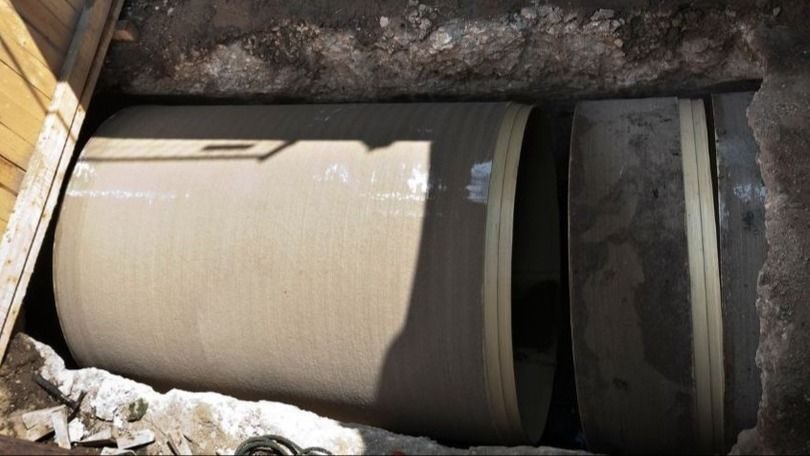
Phoenix homeowners know that Arizona’s desert environment presents unique challenges for maintaining their properties. While extreme heat and seasonal monsoon storms often get the most attention, changing ground conditions can also affect underground plumbing. Over time, soil movement can stress buried sewer pipes, potentially causing cracks, separated joints, and drainage problems.
Unfortunately, sewer line damage isn’t always immediately noticeable. Problems can develop underground for months or years before homeowners experience recurring clogs, unpleasant odors, or wastewater backups.
In this guide, we’ll explain how shifting soil can affect sewer lines in Phoenix, which warning signs deserve attention, and when trenchless sewer repair may provide an alternative to traditional excavation.
Why Does Soil Movement Affect Sewer Lines in Phoenix?
Underground sewer pipes depend on surrounding soil for support. When that soil shifts, settles, expands, or erodes, it can stress buried plumbing infrastructure.
Phoenix properties experience different soil conditions depending on their location and development history. Some areas have expansive clay soils that swell when moisture increases and shrink as conditions dry out.
Other properties may experience settlement related to soil composition, construction practices, or changes in underground moisture.
Several conditions can contribute to soil movement around sewer lines:
-
Moisture fluctuations: Changes in soil moisture can cause certain soils to expand or contract.
-
Natural settlement: Ground materials may gradually compact or shift over time.
-
Poorly compacted backfill: Soil surrounding previously installed pipes may settle unevenly.
-
Monsoon rainfall: Heavy rain can change drainage patterns and moisture conditions.
-
Irrigation leaks: Concentrated moisture may affect soil stability in susceptible areas.
-
Erosion: Moving water can gradually remove soil that supports underground infrastructure.
Not every Phoenix property contains expansive soil, and shifting ground doesn’t automatically damage sewer pipes. However, changes in underground support can become problematic when pipes are aging, improperly installed, or already weakened.
How Can Shifting Soil Crack or Damage Underground Sewer Pipes?
Sewer lines are designed to transport wastewater through a properly graded underground piping system. When surrounding soil moves, sections of pipe may experience uneven pressure or lose the support needed to maintain their original position.
The resulting damage depends on the pipe material, age, installation quality, and severity of the ground movement. For example, rigid pipes may crack under excessive stress. Pipes assembled from multiple sections may separate at joints or become misaligned.
Soil settlement can also contribute to low sections of pipe, sometimes called bellies, where wastewater and debris accumulate instead of flowing freely. Common forms of underground sewer damage include cracked pipe walls, separated joints, offset connections, sagging sections, and structural collapse.
These problems can restrict wastewater flow, allow surrounding material to enter the pipe, or create openings where tree roots can grow.
However, soil movement is only one possible cause. Corrosion, aging materials, root intrusion, and improper installation can produce similar damage. A professional inspection is necessary to determine the pipe’s condition before selecting a repair method.
What Are the Warning Signs of a Damaged Sewer Line?
Because sewer lines are buried, homeowners often notice plumbing symptoms before discovering the underlying damage. Recognizing these warning signs early can help prevent recurring drainage problems from worsening.
One of the most common indicators is repeated clogging, especially when multiple plumbing fixtures drain slowly at the same time.
A single slow sink may have a localized blockage, but slow drainage throughout the home can indicate a problem farther down the main sewer line.
Other warning signs include:
-
Recurring drain clogs: Blockages return shortly after professional cleaning.
-
Multiple slow drains: Several fixtures drain slowly at the same time.
-
Sewage backups: Wastewater returns through toilets, tubs, or floor drains.
-
Persistent sewer odors: Unpleasant smells develop near drains or outside the home.
-
Gurgling sounds: Plumbing fixtures make unusual noises during drainage.
-
Unexplained wet areas: Certain sections of the yard remain unusually damp.
-
Ground settling: Depressions develop near underground plumbing routes.
These symptoms don’t necessarily prove that shifting soil has cracked your sewer line. Tree roots, accumulated debris, and other plumbing problems can produce similar warning signs.
If wastewater begins backing up into your home, stop using affected plumbing fixtures and contact a professional plumber promptly. Sewage exposure can create sanitation concerns and damage flooring, walls, and personal belongings.
How Can a Sewer Camera Inspection Identify Underground Damage?
Before recommending trenchless sewer repair in Phoenix, a plumber needs to understand what’s happening inside the underground pipe. A sewer camera inspection lets technicians examine accessible portions of the line with a specialized camera attached to a flexible cable. As the camera travels through the pipe, it provides a visual assessment of conditions that may be contributing to drainage problems.
A camera inspection may reveal:
-
Cracks or fractures in the pipe wall.
-
Separated or misaligned pipe joints.
-
Tree roots entering through damaged sections.
-
Debris accumulation and recurring obstructions.
-
Visible deformation or structural deterioration.
-
Standing water that may indicate improper pipe slope.
Camera inspections can help identify the location and visible extent of damage. However, they don’t always establish why the damage occurred or fully evaluate surrounding soil conditions.
If you suspect significant settlement or ground movement, additional investigation may be necessary.
The inspection findings help determine whether the pipe can be repaired internally or whether excavation and replacement are more appropriate.
What Is Trenchless Sewer Repair and How Does It Work?
Traditional sewer replacement often requires excavating parts of the yard to expose damaged underground pipes. Trenchless sewer repair uses specialized methods that may reduce the amount of digging required.
Two common trenchless approaches are cured-in-place pipe lining and pipe bursting.
Cured-in-Place Pipe Lining
Cured-in-place pipe lining, commonly called CIPP, involves installing a resin-saturated flexible liner inside an existing pipe. Once in place, the liner cures to form a new pipe-like structure within the original sewer line.
This approach may suit certain cracked or deteriorated pipes that retain acceptable alignment and can accommodate the lining process.
However, pipe lining doesn’t automatically correct severe sagging, significant displacement, or every type of structural failure.
Pipe Bursting
Pipe bursting is another trenchless replacement technique. It uses specialized equipment to pull a replacement pipe into position while drawing it through the existing pipe.
The process breaks or displaces the original pipe as it installs the new line. Pipe bursting may suit certain replacement projects, but suitability depends on the existing pipe, surrounding utilities, access, and ground conditions.
Both methods generally require access points, and some excavation may still be necessary. Trenchless repair should be understood as a potentially less disruptive approach, not a completely digging-free solution.
When Is Trenchless Repair Better Than Traditional Excavation?
Trenchless sewer repair can be appealing to Phoenix homeowners who want to limit disruption to landscaping, patios, driveways, and other outdoor features.
However, the best repair method depends on the sewer line’s condition and the underlying cause of the damage.
For example, pipe lining may be appropriate when a sewer pipe has certain cracks or deteriorated sections but maintains a suitable shape and slope.
If soil movement has created a significant belly in the line, installing a liner may not resolve the drainage problem because wastewater can continue collecting in the low section.
Similarly, severely collapsed pipes or substantial misalignment may require excavation to restore proper flow.
Trenchless methods may offer advantages when:
-
The existing pipe meets the requirements for the proposed repair technique.
-
Access points can be established safely.
-
The pipe’s alignment and slope are suitable.
-
Excavation would significantly disrupt landscaping or hardscaping.
-
Nearby underground utilities don’t prevent the proposed installation.
Traditional excavation may be necessary when the pipe has collapsed, requires major alignment corrections, or cannot accommodate trenchless equipment.
Cost is another consideration. Although trenchless methods may reduce landscaping restoration expenses, specialized equipment and project complexity can influence the total investment.
A professional evaluation helps determine which approach addresses the actual problem rather than simply minimizing visible digging.
How Can Phoenix Homeowners Reduce the Risk of Sewer Line Damage?
Homeowners can’t always prevent natural soil movement, but they can take steps to reduce conditions that contribute to sewer problems.
Proper drainage is especially important in areas where changing moisture levels can affect soil stability. Address irrigation leaks promptly, especially when they cause persistent saturation near underground plumbing.
Homeowners can help protect their sewer systems by following these practices:
-
Repair leaking irrigation lines and address unusual wet spots.
-
Maintain appropriate drainage around the property.
-
Avoid planting aggressive-rooted trees directly above sewer lines.
-
Keep grease, wipes, and other clog-causing materials out of drains.
-
Investigate recurring sewer blockages instead of ignoring them repeatedly.
-
Schedule professional inspections when persistent drainage problems develop.
These measures may help reduce certain risks, but they cannot guarantee that underground pipes will remain undamaged.
Older sewer lines can deteriorate over time, even when surrounding soil conditions remain relatively stable.
Schedule Sewer Line Repair With Plumbing Masters
Shifting soil, changing moisture conditions, and aging underground pipes can all contribute to sewer line problems in Phoenix. However, recurring clogs or drainage issues don’t automatically mean your sewer line is cracked or that you’ll need extensive excavation.
At Plumbing Masters, we help Phoenix-area homeowners identify plumbing problems and understand their repair options. Whether you’re experiencing recurring sewer backups, unexplained drainage issues, or signs of underground pipe damage, a professional evaluation can help you determine next steps.
Trenchless repair may suit certain damaged sewer lines, while other conditions require a different approach. Contact Plumbing Masters today to discuss your sewer line concerns, schedule a professional assessment, and determine the best solution for your home.
Recent News
What Causes Repeated Drain Clogs in Older Glendale Homes?
Why Tree Roots Continue to Cause Sewer Problems Across Mesa
Slab Leak Repair or Repiping? What Phoenix Homeowners Should Do When an Underground Pipe Starts Leaking
Vintage Plumbing in Verrado vs. New Builds in North Peoria: What Every Homeowner Needs to Know
The Invisible Tax: How Phoenix Hard Water Shortens Your Water Heater’s Life by 40%
Monsoon Prep: Why Arizona “Slab Leaks” Spike After Heavy Rains