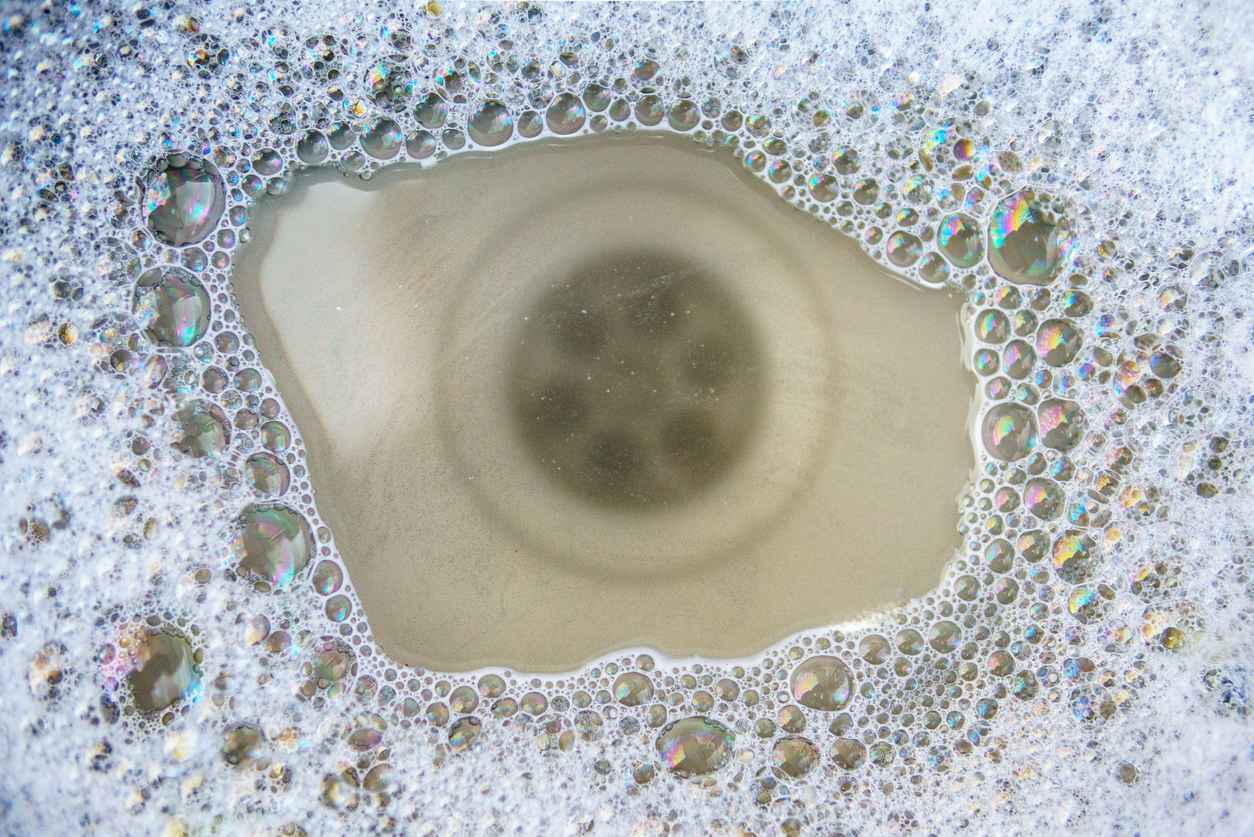
Proudly Serving the Phoenix Metro Area



What Causes Repeated Drain Clogs in Older Glendale Homes?

A clogged drain is frustrating enough the first time. When the same sink, tub, toilet, or floor drain keeps backing up, the problem may be more than a one-time blockage.
In older Glendale homes, recurring drain issues can stem from years of buildup, aging pipes, root intrusion, damaged sewer lines, or other problems that make it easier for waste to collect again. Clearing the immediate clog may restore drainage temporarily, but it may not address the condition that caused the blockage to return.
In this guide, we’ll explain what causes repeated drain clogs in older homes, how to tell whether the problem is isolated or connected to the main sewer line, and when professional drain cleaning or a camera inspection may be the next step.
What Causes Drains to Keep Clogging in Older Homes?
Repeated drain clogs usually happen because something keeps restricting the pipe or because the plumbing system has an underlying condition that encourages new blockages.
Common causes include:
-
Grease, soap, hair, and food buildup
-
Aging or deteriorating pipes
-
Rough or corroded pipe interiors
-
Tree roots entering underground sewer lines
-
Cracked, shifted, or damaged piping
-
Poor drainage caused by pipe alignment or slope problems
-
Improper materials repeatedly entering the drain
-
A blockage farther down the plumbing system
The location and frequency of the clog provide important clues. A single slow bathroom sink may have a localized problem, while several fixtures backing up at once can point to a larger drain or sewer issue.
The key is looking at the pattern instead of treating every clog as an unrelated event.
Can Years of Buildup Cause Recurring Drain Clogs?
Yes. Even when a drain still appears to work, material can gradually build up inside the pipe.
In kitchen drains, grease and food residue can stick to pipe walls. In bathrooms, soap residue, hair, skin oils, and other debris can narrow the available opening over time.
As the pipe becomes more restricted, new material has less room to pass through. That can lead to more frequent clogs.
Common buildup includes:
-
Cooking grease and oils
-
Food scraps
-
Soap residue
-
Hair
-
Personal care products
-
Mineral deposits
-
Other household debris
A basic clog removal may open a path through the blockage without removing all of the buildup farther along the pipe.
That is one reason a drain may begin flowing again after service but slow down months or even weeks later. More thorough drain cleaning may be needed when buildup extends through a larger section of the line.
How Can Older Pipes Contribute to Drain Problems?
The pipe’s condition can affect how easily waste moves through the plumbing system.
Older pipes may develop internal corrosion, rough surfaces, deterioration, or other changes that catch debris more easily than a smooth, intact drain line.
Potential age-related issues include:
-
Internal corrosion
-
Scale or mineral deposits
-
Rough interior pipe surfaces
-
Cracks or weakened sections
-
Pipe movement or shifting
-
Older connections or previous repairs
-
Sections that no longer drain as effectively as intended
Not every older Glendale home has the same plumbing, and age alone doesn’t mean a drain line needs replacement. However, recurring clogs may be a reason to investigate pipe condition rather than repeatedly clearing the same obstruction.
If a drain has become increasingly problematic over time, an inspection can help determine whether the issue is inside the pipe rather than simply what is being put down it.
Can Tree Roots Cause Repeated Sewer and Drain Clogs?
Yes. Tree roots can be a major source of recurring sewer line problems when they enter vulnerable underground piping.
Roots naturally seek moisture. If a sewer line has a crack, loose joint, or other opening, small roots may work their way inside. Once there, they can continue growing and catch toilet paper, waste, and other material flowing through the line.
Possible signs of root intrusion include:
-
Recurring main-line clogs
-
Multiple slow drains
-
Toilets that gurgle or bubble
-
Backups in lower-level fixtures
-
Problems that return after drain cleaning
-
Drain issues that worsen over time
Clearing roots from a line may restore flow, but it does not necessarily repair the opening that allowed them to enter.
If root intrusion keeps returning, the sewer line may need further evaluation to determine whether repair is necessary.
How Can You Tell if the Problem Is a Drain or the Main Sewer Line?
The number of affected fixtures is one of the most useful clues.
A clog affecting only one sink, shower, or tub is more likely in that fixture’s branch drain. When several plumbing fixtures begin acting up at the same time, the problem may be farther downstream.
Signs of a localized drain problem can include:
-
One slow sink
-
One clogged shower
-
One fixture draining poorly
-
No symptoms elsewhere in the home
Signs that may point to a main sewer line problem include:
-
Multiple drains slowing down at once
-
A toilet bubbling when another fixture drains
-
Water backing up into a tub or shower
-
Lower fixtures overflowing when upper fixtures are used
-
Repeated whole-home drainage problems
A main sewer line carries wastewater away from multiple parts of the home. When that line becomes restricted, symptoms can show up in more than one fixture.
If several drains are affected, treating them individually may not solve the underlying problem.
Why Does a Drain Clog Again After Professional Drain Cleaning?
A professionally cleared drain can still clog again if the original blockage was only one part of a larger issue.
Possible reasons include:
-
Heavy buildup remains farther along the line.
-
Tree roots have entered the sewer pipe.
-
The pipe is cracked or deteriorated.
-
A section of pipe has shifted.
-
The line has a low area where debris collects.
-
Improper materials keep entering the drain.
-
The blockage is located deeper in the plumbing system.
Recurring clogs do not automatically mean the previous cleaning was ineffective. In some cases, clearing the line reveals that the real problem is the pipe itself.
This is where diagnosis becomes important.
If the same issue returns repeatedly, a plumber may recommend inspecting the line rather than continuing to clear it without determining why the blockage keeps forming.
When Does a Recurring Clog Need a Sewer Camera Inspection?
A sewer camera inspection can help provide a clearer view of what is happening inside a drain or sewer line.
It may be useful when:
-
The same drain repeatedly clogs.
-
Several fixtures are affected.
-
A clog returns soon after service.
-
Tree-root intrusion is suspected.
-
The home has older underground piping.
-
Backups occur without an obvious cause.
-
The plumber suspects cracked or shifted piping.
-
You are trying to determine whether repair is necessary.
During a camera inspection, the technician sends specialized equipment through the pipe to look for visible problems such as obstructions, roots, damaged sections, or other abnormalities.
Not every clogged drain needs a camera inspection. A straightforward localized clog may be resolved without one.
For recurring or unexplained problems, though, seeing inside the line can help reduce guesswork.
How Can Glendale Homeowners Help Prevent Drain Clogs?
Some drain problems stem from pipe conditions homeowners cannot control, but everyday habits can still reduce the debris entering the plumbing system.
Helpful steps include:
-
Keep cooking grease and oils out of kitchen drains.
-
Scrape food scraps into the trash before washing dishes.
-
Use drain screens to catch hair.
-
Avoid flushing wipes, even when labeled flushable.
-
Flush only toilet paper and appropriate waste.
-
Watch for drains that start to slow down.
-
Address recurring gurgling or backups early.
-
Avoid repeatedly using chemical drain cleaners for the same problem.
Preventive habits are especially helpful in older plumbing systems where the inside diameter of the pipe may already be reduced by buildup or age-related changes.
If a drain repeatedly clogs despite careful use, that may signal a problem beyond normal household debris.
When Is Drain Cleaning Not Enough to Fix the Problem?
Drain cleaning restores flow by removing obstructions and buildup. It cannot repair a pipe that is physically damaged.
More extensive plumbing work may be necessary when the line has:
-
Significant cracking
-
Repeated root intrusion
-
Severe deterioration
-
Collapsed sections
-
Major alignment problems
-
Persistent restrictions caused by pipe condition
The appropriate solution depends on what the inspection reveals.
In some cases, cleaning may still be all that is needed. In others, targeted repair can address a damaged section. More widespread deterioration may require a broader sewer or drain line solution.
A proper diagnosis helps homeowners avoid assuming that either cleaning or replacement is automatically the answer.
What Should You Do if the Same Drain Keeps Clogging?
Start by noting how often the problem happens and whether other fixtures are affected.
Useful information to note includes:
-
Which drains are slow or clogged
-
How quickly the problem returns
-
Whether toilets gurgle
-
Whether backups occur in lower fixtures
-
What previous drain service has been performed
-
Whether nearby trees could affect underground lines
-
Whether the problem has become more frequent over time
This information can help a plumber narrow down the likely source of the problem.
Repeated clogs are worth investigating because they often provide an early warning that something farther inside the plumbing system needs attention.
Stop Recurring Drain Clogs With Plumbing Masters
If the same drain keeps clogging, repeatedly clearing the immediate blockage may only provide temporary relief.
Older Glendale homes can develop recurring drainage problems from years of buildup, aging pipes, tree roots, or sewer line damage. Identifying the underlying cause can help determine whether the right solution is drain cleaning, a camera inspection, repair, or another plumbing service.
Plumbing Masters can evaluate recurring drain problems and help determine why the blockage keeps returning. If your Glendale home has slow drains, backups, or repeated clogs, contact us today to schedule service and address the source of the problem.
Recent News
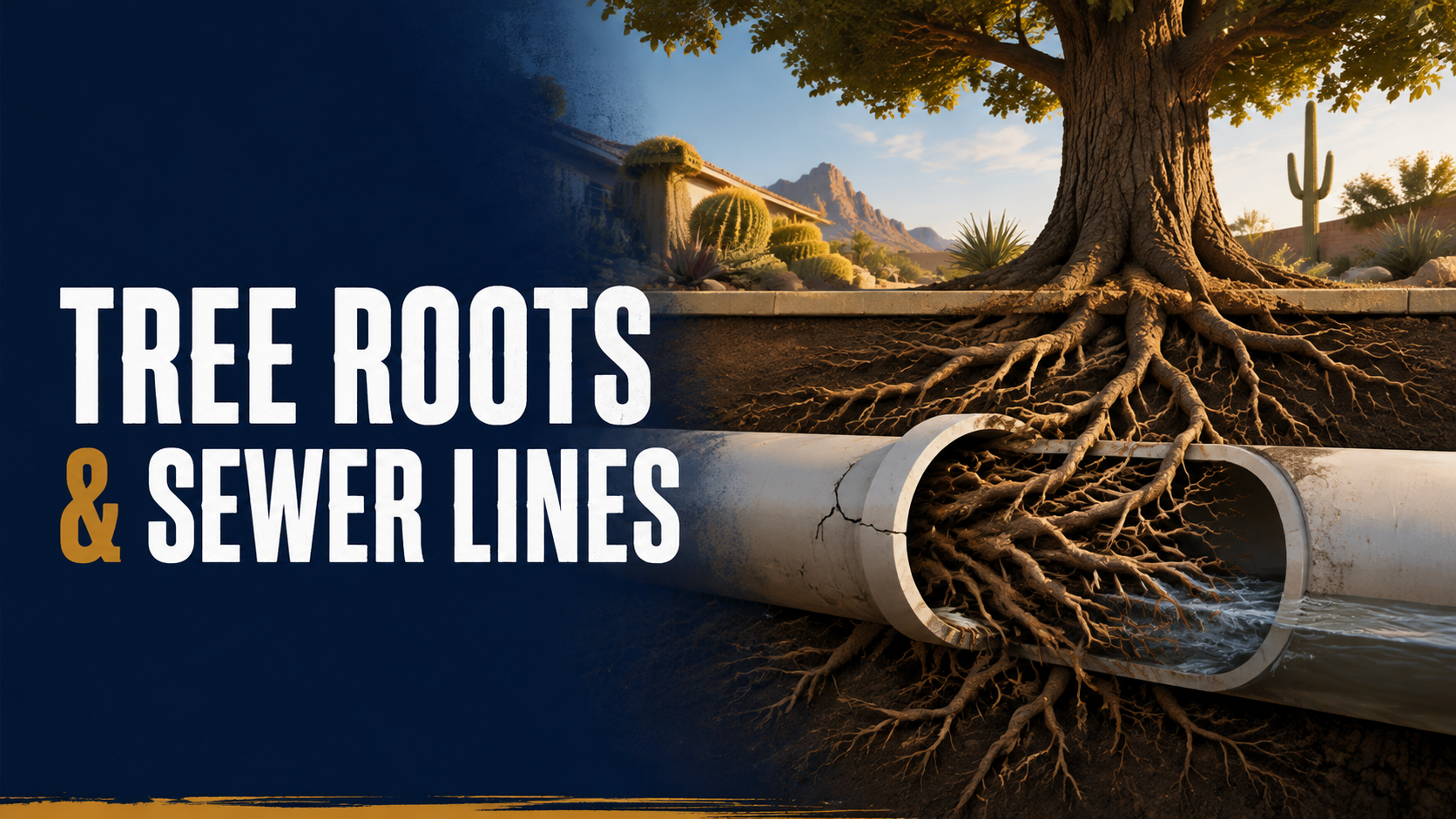
Why Tree Roots Continue to Cause Sewer Problems Across Mesa
Slab Leak Repair or Repiping? What Phoenix Homeowners Should Do When an Underground Pipe Starts Leaking
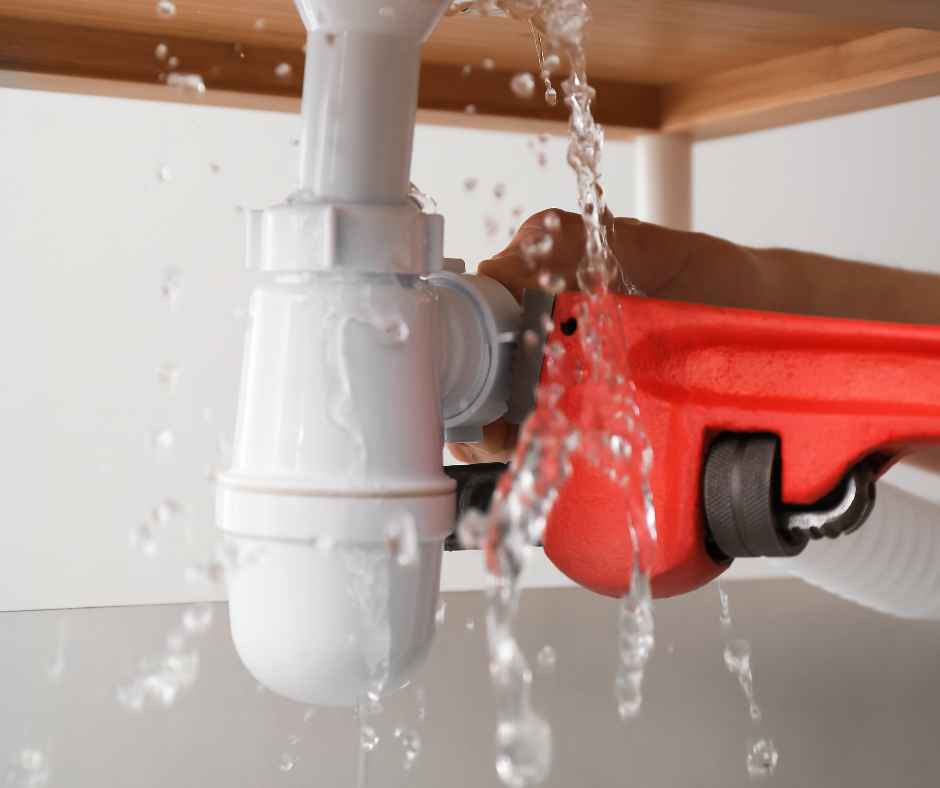
Vintage Plumbing in Verrado vs. New Builds in North Peoria: What Every Homeowner Needs to Know
The Invisible Tax: How Phoenix Hard Water Shortens Your Water Heater’s Life by 40%
Monsoon Prep: Why Arizona “Slab Leaks” Spike After Heavy Rains
Gas Line vs. Electric Water Heater: Which Saves You More in Arizona?