Proudly Serving the Phoenix Metro Area



Slab Leak Repair or Repiping? What Phoenix Homeowners Should Do When an Underground Pipe Starts Leaking
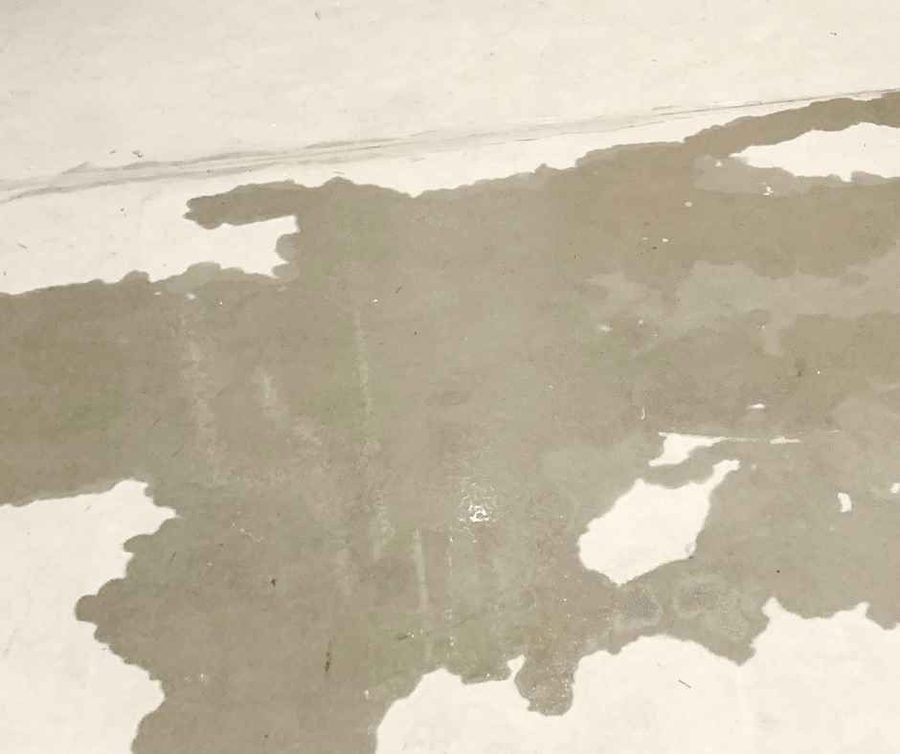
An underground pipe leak can quickly become one of the most stressful plumbing problems a Phoenix homeowner faces. Because the damaged line is hidden beneath or within the concrete foundation, water may spread for days or weeks before visible damage appears.
Once the leak is found, homeowners often face a difficult decision. Should the plumber repair the damaged section, reroute the affected line, or replace a larger portion of the home’s plumbing? The right answer depends on the location of the leak, the pipe material, the age of the system, and whether the failure appears isolated or part of a broader problem.
In this guide, we will explain how slab leaks are detected, when targeted slab leak repair may be appropriate, and when repiping may provide better long-term protection for a Phoenix home.
What Is a Slab Leak?
A slab leak occurs when a water supply line located beneath or within a concrete foundation begins leaking.
Unlike a dripping faucet or visible pipe leak, a slab leak can remain hidden. Water may collect below the foundation, migrate through flooring materials, or follow gaps around plumbing penetrations before it becomes noticeable.
Slab leaks can affect hot or cold water lines. A hot water leak may create a warm area on the floor, while a cold water leak may be more difficult to identify without professional testing.
Because the pipe is difficult to access, accurate diagnosis is essential before any concrete is opened or plumbing is rerouted.
Signs You May Have a Slab Leak
Slab leak symptoms can resemble other plumbing or moisture problems, so homeowners should pay attention to patterns rather than relying on one warning sign.
Possible signs include:
-
An unexplained increase in the water bill
-
The sound of running water when fixtures are off
-
Warm or damp areas on the floor
-
Cracked, warped, or discolored flooring
-
Reduced water pressure
-
Musty odors
-
Mold or mildew near baseboards
-
Water appearing along walls or cabinets
-
Cracks in tile or flooring
-
A water meter that moves when no water is being used
-
The water heater running more often than usual
A higher bill alone does not confirm a slab leak, but a sudden increase combined with floor moisture, low pressure, or running-water sounds should be investigated quickly.
Why Slab Leaks Happen in Phoenix Homes
Several conditions can contribute to underground pipe failure.
Common causes include:
-
Corrosion inside or outside the pipe
-
Hard water mineral buildup
-
Abrasion against concrete, gravel, or other materials
-
High water pressure
-
Poor installation
-
Aging pipe materials
-
Soil movement
-
Foundation settling
-
Repeated temperature changes
-
Damage from previous construction or remodeling
Phoenix-area soil can expand, contract, or shift as moisture conditions change. Movement beneath the foundation can place stress on rigid plumbing lines and connections.
Hard water can also affect plumbing over time. Minerals may accumulate inside pipes, restrict flow, or contribute to deterioration depending on the pipe material and water conditions.
A slab leak is not always caused by one dramatic event. In many cases, years of corrosion, friction, pressure, and ground movement gradually weaken the pipe until it fails.
How Professional Slab Leak Detection Works
Finding the source of an underground leak does not always require immediately breaking through the slab.
A plumber may use several diagnostic methods, including:
-
Water meter testing
-
Plumbing system pressure testing
-
Line isolation
-
Acoustic listening equipment
-
Thermal imaging
-
Moisture detection tools
-
Electronic leak detection
-
Inspection of visible plumbing connections
The goal is to identify which line is leaking and narrow down the damaged area as accurately as possible.
Accurate detection matters because water can travel away from the actual pipe failure. The wet spot visible on the floor may not be directly above the leak.
Once the location and affected line are identified, the plumber can compare repair options and determine whether the rest of the plumbing system shows signs of deterioration.
When a Targeted Slab Leak Repair May Make Sense
A targeted repair may be appropriate when the leak involves one isolated section and the surrounding plumbing remains in good condition.
Repair may make sense when:
-
The plumbing system is relatively young
-
There is no history of repeated leaks
-
The damaged area is clearly identified
-
The pipe material is otherwise sound
-
The leak is accessible without excessive demolition
-
Corrosion does not appear widespread
-
The repair can be completed without weakening nearby piping
A spot repair usually involves accessing the damaged section, removing the failed portion, and installing new pipe or fittings.
This approach may have a lower upfront cost than a larger repiping project. However, it only addresses the section that has already failed. It does not prevent another aging or corroded section from leaking later.
Common Slab Leak Repair Methods
The best repair method depends on the location of the leak and the condition of the plumbing system.
Common options include:
-
Direct access through the slab: The plumber opens the flooring and concrete above the leak to reach and repair the pipe.
-
Pipe rerouting: The damaged underground section is abandoned, and a new line is installed through walls, ceilings, or another accessible route.
-
Partial line replacement: A larger section of the affected line is replaced when the damage extends beyond one small point.
-
System isolation: The failed section is disconnected from the active plumbing and bypassed with a new pipe route.
Direct access may work when the leak is easy to locate and the affected area can be opened without major structural or property disruption.
Rerouting is often considered when breaking through finished flooring, cabinets, or structural areas would create significant damage. It also moves the replacement line out of the slab, making future access easier.
When Repiping May Be the Better Long-Term Choice
Repiping involves replacing multiple water lines or much of the home’s supply plumbing rather than fixing only one damaged area.
It may be the better long-term choice when:
-
The home has experienced multiple slab leaks
-
Pipes show widespread corrosion
-
The plumbing system is reaching the end of its service life
-
Water pressure is consistently poor
-
Discolored water is common
-
Several sections have already been patched
-
The pipe material has a history of repeated failure
-
Leaks are occurring in different areas
-
Accessing each new failure would cause repeated property damage
A whole-home repipe is a larger project, but it can reduce the risk of continuing to repair one failure after another.
Repiping may also provide an opportunity to improve water pressure, update shutoff valves, correct undersized lines, and move vulnerable plumbing out of the slab.
Slab Leak Repair Versus Repiping
Neither option is automatically right for every Phoenix home.
A targeted slab leak repair usually has:
-
A smaller project scope
-
Lower initial cost
-
Less plumbing replacement
-
Continued reliance on the remaining original pipes
-
A possibility of future leaks elsewhere
Repiping usually involves:
-
A higher upfront investment
-
More extensive plumbing work
-
New supply lines throughout much or all of the home
-
Reduced dependence on aging underground pipes
-
Greater potential for long-term reliability
The decision should consider more than the price of the current repair.
Homeowners should also evaluate:
-
The age of the plumbing
-
Number of previous leaks
-
Pipe material
-
Extent of corrosion
-
Cost of flooring or wall restoration
-
Future leak risk
-
Current water pressure
-
Long-term plans for the home
-
Warranty coverage
A repair may be sensible for one isolated failure. Repiping may offer better value when the current leak is another sign that the entire system is deteriorating.
How Pipe Material Affects the Decision
The type of pipe beneath the home can influence both the cause of the leak and the recommended solution.
Copper piping may develop pinhole leaks because of corrosion, water chemistry, pressure, or abrasion. Repeated copper failures can indicate a larger system condition rather than separate bad spots.
Galvanized steel can corrode internally, restrict flow, and eventually leak. Older steel plumbing may have widespread deterioration by the time one visible failure occurs.
PEX is commonly used for rerouting and repiping because it is flexible and can often be installed through walls and ceilings with fewer fittings. However, the right material depends on local requirements, home design, water conditions, and installation needs.
The plumber should explain why the recommended replacement material is suitable for the property.
Why Repeated Slab Leaks Should Not Be Ignored
More than one slab leak can indicate a system-wide plumbing problem.
Repeated leaks can lead to:
-
Damaged flooring
-
Wet drywall or cabinets
-
Mold and mildew growth
-
Higher water bills
-
Reduced water pressure
-
Repeated concrete removal
-
Ongoing repair expenses
-
Damage to furniture or belongings
-
Disruption to daily routines
Water beneath the slab may also move into areas that are not immediately visible. Delaying repair can allow moisture to spread and increase restoration needs.
A second or third leak should prompt a broader evaluation of the home’s plumbing, not just another isolated patch.
What Slab Leak Repair or Repiping May Involve
The project process depends on the chosen solution.
A slab leak repair may involve:
-
Turning off the water
-
Isolating the affected line
-
Removing flooring or concrete
-
Repairing or replacing the damaged pipe
-
Pressure testing the repair
-
Restoring the access area
A repiping project may involve:
-
Planning new pipe routes
-
Creating small wall or ceiling openings
-
Installing new supply lines
-
Connecting fixtures
-
Adding or replacing shutoff valves
-
Testing the entire system
-
Patching access openings
Some finish restoration may be handled separately depending on the project agreement. Homeowners should ask what plumbing, concrete, drywall, paint, and flooring work is included before approving service.
Questions to Ask Before Approving a Repair
Before choosing slab leak repair or repiping, ask the plumber:
-
Where is the leak located?
-
What caused the pipe to fail?
-
What material is the existing plumbing?
-
Does the rest of the system show corrosion?
-
Have there been previous repairs?
-
Is direct access or rerouting recommended?
-
How much demolition will be required?
-
What restoration work is included?
-
Could another nearby section fail soon?
-
Would partial or whole-home repiping provide better value?
-
What materials will be used?
-
What warranties are included?
-
How will the completed system be tested?
Clear answers can help homeowners understand both the immediate repair and the long-term condition of the plumbing.
When to Call a Plumber Immediately
Prompt service is important when an underground leak may be actively damaging the home.
Call a plumber if you notice:
-
Rapidly spreading floor moisture
-
A large increase in water usage
-
Water coming through flooring or walls
-
Sudden loss of water pressure
-
Running-water sounds that do not stop
-
Mold or strong musty odors
-
Cracking or lifting flooring
-
Hot areas on the floor
-
Water near electrical equipment
-
A leak that continues after fixtures are turned off
If water is actively spreading, use the main shutoff valve when it is safe and accessible. Avoid contact with electrical outlets, appliances, or wiring near the wet area.
Choose the Right Solution for Your Phoenix Home
A targeted slab leak repair may be the right choice when one isolated pipe section has failed and the rest of the plumbing is in good condition. Repiping may provide better long-term value when the home has widespread corrosion, repeated leaks, aging materials, or ongoing pressure and water quality problems.
Plumbing Masters can locate the underground leak, assess the condition of your plumbing, and explain whether spot repair, rerouting, partial replacement, or whole-home repiping makes the most sense. If you suspect a slab leak in your Phoenix home, contact us today to schedule professional leak detection and repair service.
Recent News
What Causes Repeated Drain Clogs in Older Glendale Homes?

Why Tree Roots Continue to Cause Sewer Problems Across Mesa
Vintage Plumbing in Verrado vs. New Builds in North Peoria: What Every Homeowner Needs to Know
The Invisible Tax: How Phoenix Hard Water Shortens Your Water Heater’s Life by 40%
Monsoon Prep: Why Arizona “Slab Leaks” Spike After Heavy Rains
Gas Line vs. Electric Water Heater: Which Saves You More in Arizona?