Proudly Serving the Phoenix Metro Area



Monsoon Prep: Why Arizona “Slab Leaks” Spike After Heavy Rains
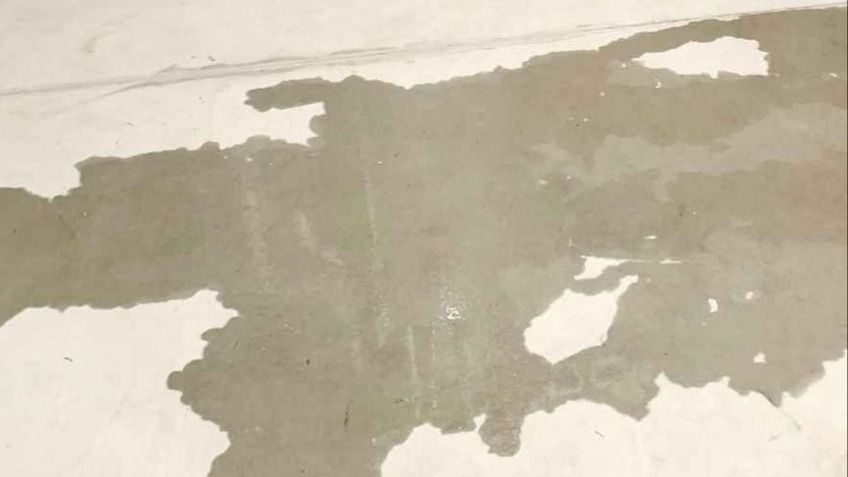
Arizona slab leaks often become more obvious after heavy monsoon rain because soil moisture changes can increase movement beneath the slab and add stress to buried plumbing lines. In homes already dealing with aging pipes, corrosion, shifting soil, or minor underground leaks, monsoon season can turn a hidden problem into a much more noticeable one.
Arizona homeowners usually think of slab leaks as a dry-weather plumbing problem. That makes sense in a state known for heat, drought, and soil movement. But heavy summer rain can be just as revealing. When monsoon storms hit, the ground can change fast, and plumbing lines under the slab may suddenly show the effects of stress that has been building for months.
That is why slab leak calls often increase after major rain events. The storm does not always create the leak from scratch. More often, it exposes a weak pipe, a shifting section of soil, or a small underground failure that was already there.
In this guide, you will learn why Arizona slab leaks often spike after heavy rains, how monsoon moisture affects the soil beneath your home, and which warning signs should never be ignored after a storm.
Why Do Heavy Rains Make Slab Leaks More Noticeable?
Arizona’s monsoon season runs from June 15 through September 30, and those storms are known for short, intense downpours, flash flooding, and rapid changes in ground moisture. In an already dry climate, that kind of sudden soaking can have a major effect on the soil around and beneath a slab foundation.
When the soil takes on water quickly, it can expand, soften, or shift. If buried plumbing lines are already under strain, that movement can be enough to worsen a weak point and make a leak easier to detect.
How Does Arizona Soil Play a Role?
Many Arizona areas deal with expansive soils, which shrink when dry and swell when wet. That shrink-swell cycle is one of the biggest reasons foundations and underground plumbing can experience repeated stress over time. Arizona Geological Survey materials specifically identify shrink-swell potential as a problem in Arizona soils.
That matters because slab plumbing is not isolated from the surrounding ground. When the soil expands after rain or contracts during dry periods, the pipes beneath the slab can be pushed, pulled, or left with uneven support. Over time, that movement can contribute to cracks, pinhole leaks, or joint failure.
Does the Rain Cause the Leak, or Just Reveal It?
Usually, it reveals a problem that was already developing.
A monsoon storm can be the tipping point, but many slab leaks start with conditions such as:
-
long-term soil movement
-
aging or corroded pipes
-
abrasion against concrete or rough surfaces
-
high water pressure
-
weak joints or fittings
-
earlier minor damage that had not yet become obvious
In other words, heavy rain often makes the hidden plumbing stress impossible to ignore.
Why Are Moisture Swings So Hard on Slab Plumbing?
Arizona homes often go from extended dry periods to sudden heavy rainfall. That sharp change matters because moisture does not affect clay-rich soil gently. Dry soil can pull away and lose volume, while wet soil can swell and apply pressure. Problem soils in Arizona are specifically associated with shrink-swell behavior, and the state’s clay soils are noted for holding water and infiltrating slowly.
That repeated cycle creates an unstable environment under the slab. Plumbing lines may bend slightly, lose support in one area, or experience friction where they pass through or under the concrete. The longer that pattern continues, the more likely a buried line is to fail.
Why Do Older Homes Face Higher Risk?
Older homes often have plumbing systems that have already endured years of soil movement, pressure fluctuations, and material wear. If the home also has older copper or aging underground lines, the pipe may have much less tolerance left by the time monsoon season arrives.
That is why heavy rain tends to hit older homes harder. The storm is acting on a plumbing system that may already have corrosion, wear, or a history of repairs.
Can Corrosion Make Monsoon-Related Slab Leaks Worse?
Yes. A pipe weakened by corrosion is far more vulnerable when the surrounding soil shifts. Even modest ground movement can become a bigger issue when the pipe wall is already thinning or pitted.
That is one reason slab leaks often have multiple causes. The soil may be moving, but the plumbing material may also be aging at the same time. When those conditions overlap, heavy rain can speed up the moment when the leak finally shows up inside the home.
What Are the Warning Signs After Heavy Rain?
After a monsoon storm, homeowners should watch for signs that suggest water may be escaping under the slab.
Common red flags include:
-
unexplained spikes in the water bill
-
warm or damp spots on the floor
-
the sound of running water when fixtures are off
-
cracks in flooring or foundation areas
-
moldy or musty smells indoors
-
reduced water pressure
-
wet flooring with no obvious source
-
water collecting near the foundation after the storm has passed
These signs do not always appear all at once. Sometimes the first clue is simply that the house feels different after a heavy rain event.
Why Can a Slab Leak Get Worse So Quickly in Monsoon Season?
Once water begins leaking under the slab, it can further alter soil moisture. That means the leak itself can start affecting the very ground supporting the slab, increasing movement and making the problem worse.
This is part of what makes Arizona slab leaks so serious after heavy rain. There can be a chain reaction:
-
Monsoon rain changes soil moisture
-
Soil movement stresses the pipe
-
The pipe leaks
-
The leak adds more moisture below the slab
-
Added moisture creates even more instability
That cycle is one reason waiting can get expensive fast.
Is This Only a Problem During the Monsoon?
No. Slab leaks can happen at any time of year. But the monsoon season often makes them more visible because the weather adds another layer of stress on soil and foundation conditions. Arizona’s monsoon brings heavy rain, localized flooding, and rapid changes in moisture that can expose underground weaknesses more quickly than dry conditions alone.
So while the plumbing issue may have started earlier, summer storms are often when homeowners finally notice it.
What Should Homeowners Do After a Major Storm?
If your home shows any slab-leak warning signs after heavy rain, the most important step is to investigate early rather than wait to see if it gets better.
That usually means paying attention to:
-
unusual water use
-
new floor warmth or dampness
-
fresh cracks or flooring changes
-
persistent moisture smells
-
any sign that water may be moving under the slab
The sooner the problem is identified, the greater the chance of limiting water damage and avoiding more extensive structural or plumbing repairs.
What This Means for Arizona Homeowners
For Arizona homes, heavy rain does not just threaten roofs and drainage. It can also reveal plumbing problems below the slab that have been building quietly underground.
The biggest factors are usually:
-
monsoon storms that bring sudden heavy rain
-
expansive soil that shrinks and swells with moisture changes
-
older or weakened buried plumbing lines
-
ground movement that adds stress to pipes under the slab
-
small hidden leaks that become more obvious after storms
Don’t Let Monsoon Season Turn a Hidden Leak Into Major Damage
A slab leak after heavy rain is rarely just bad luck. In many Arizona homes, it is the result of soil movement, aging plumbing, and underground stress finally reaching a breaking point during monsoon season.
Plumbing Masters can help identify the source of a suspected slab leak and recommend the right next step before the damage spreads. If you have noticed damp floors, rising water bills, or other warning signs after a storm, contact Plumbing Masters to schedule an inspection.
Recent News

What Causes Repeated Drain Clogs in Older Glendale Homes?
Why Tree Roots Continue to Cause Sewer Problems Across Mesa
Slab Leak Repair or Repiping? What Phoenix Homeowners Should Do When an Underground Pipe Starts Leaking
Vintage Plumbing in Verrado vs. New Builds in North Peoria: What Every Homeowner Needs to Know
The Invisible Tax: How Phoenix Hard Water Shortens Your Water Heater’s Life by 40%
Gas Line vs. Electric Water Heater: Which Saves You More in Arizona?