Proudly Serving the Phoenix Metro Area



The Invisible Tax: How Phoenix Hard Water Shortens Your Water Heater’s Life by 40%
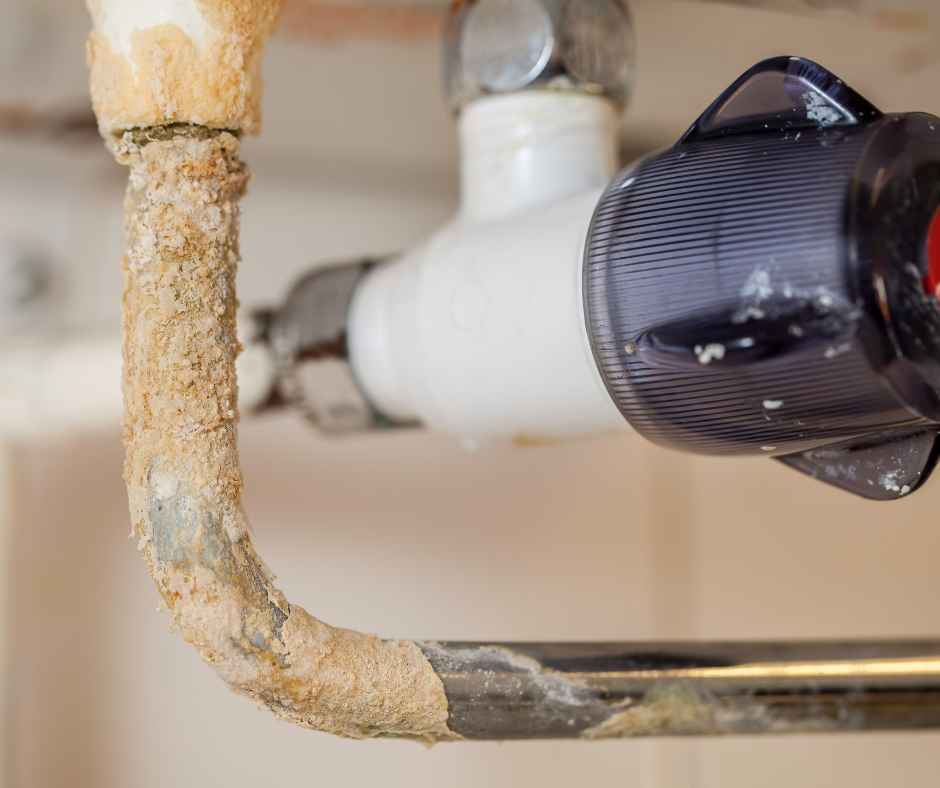
Phoenix hard water can quietly wear down your water heater by creating mineral scale inside the system. That buildup can reduce efficiency, weaken hot water performance, increase energy use, and shorten the unit’s lifespan before homeowners realize what is happening.
A water heater usually does not fail all at once. In Phoenix homes, it often loses performance gradually. Hot water recovery slows down. Utility bills rise. Strange popping sounds start. The tank seems to run out faster than it used to. Then the replacement comes earlier than expected.
That is the hidden cost of hard water. The minerals in the water do not just leave spots on faucets and glass. They also build up inside the equipment your home depends on every day, especially anything that heats water.
In this guide, you will learn how Phoenix hard water affects water heaters, why mineral scale is so damaging, what warning signs to watch for, and when treatment may be the smarter investment.
Why Hard Water Is So Tough on Water Heaters
Hard water contains minerals such as calcium and magnesium. When water is heated, those minerals are more likely to deposit. Over time, scale builds inside the tank, on heating surfaces, and around the internal parts that need to transfer heat efficiently.
That matters because your water heater has to work harder when scale builds up. The more buildup that forms, the less efficient the unit becomes.
Why the Damage Builds Slowly
Hard water problems are easy to ignore at first because they rarely create an immediate emergency. Instead, they show up as small performance losses that worsen over time.
Homeowners may notice:
- Slower hot water recovery
- Less available hot water
- Higher energy bills
- More noise from the tank
- More maintenance
- Earlier system replacement
Each symptom may seem manageable on its own. Together, they often point to mineral buildup as taking years off the equipment’s life.
Why Phoenix Makes the Problem Worse
Phoenix water is hard enough that mineral buildup is a real concern for water-heating equipment. When a water heater is exposed to hard water every day, scale can start affecting performance quickly.
That means even a well-installed system can begin losing efficiency if the incoming water keeps feeding the same buildup process. In Phoenix, this is not just an occasional issue. It is part of everyday water-heater wear.
Why Water Heaters Usually Show the Problem First
Water heaters are often among the first appliances to experience the effects of hard water because they combine heat, time, and constant exposure to minerals. The minerals settle where the system is working hardest.
That can lead to:
- Sediment collecting at the bottom of the tank
- Heating elements working harder than they should
- Reduced heat transfer
- More strain on internal parts
- Shorter equipment life
This is why water heaters so often become the first major appliance homeowners notice when hard water starts getting expensive.
Common Warning Signs Hard Water Is Already Affecting Your Water Heater
Hard water usually gives a few warnings before the unit fails.
Common red flags include:
- Rumbling or popping sounds from the tank
- Water taking longer to heat
- Hot water running out sooner than expected
- White residue on nearby fixtures
- A water heater that seems to age faster than it should
- Higher gas or electric bills without another clear reason
These are often signs that sediment and scale are already interfering with normal performance.
How Hard Water Turns Into a Replacement Problem
Many homeowners treat hard water as a cleaning issue for years. They wipe down faucets, clean showerheads, and occasionally flush the heater. Meanwhile, the buildup inside the water heater continues to grow.
Eventually, the heater may still run, but it is doing more work for less performance. That is when the real cost shows up. The system wears out earlier, requires more service, and delivers less hot water than it should.
Tank Water Heaters vs. Tankless Systems
Tankless systems are not immune to hard water. In some ways, they can be even more sensitive because they rely on compact internal heat exchangers. Mineral buildup in those smaller passages can quickly affect performance.
Storage tank heaters usually show the problem through sediment accumulation, noise, longer heat-up times, and declining efficiency. Tankless units often show it through reduced performance, inconsistent hot water, and more frequent descaling needs.
Either way, hard water can shorten equipment life and increase maintenance.
Why Maintenance Helps but Does Not Solve Everything
Flushing a water heater can help remove some sediment and improve performance. It is an important part of maintenance in hard-water areas. But flushing does not stop the hard water from continuing to create new buildup.
That means maintenance helps manage the problem, but it does not remove the cause. If the incoming water stays hard, the cycle continues.
When Water Treatment Starts Making Financial Sense
Water treatment becomes much more practical when the same hard-water symptoms keep recurring.
That often includes homes where:
- The water heater has recurring sediment issues
- Scale is visible throughout the home
- Fixtures clog often
- Utility costs are climbing
- Hot water performance is dropping
- The homeowner wants the next water heater to last longer
At that point, treatment is no longer just about convenience. It becomes a way to reduce long-term equipment wear and avoid earlier replacement.
What Phoenix Homeowners Should Compare
If you are trying to decide whether treatment is worth it, compare the cost of hard water against the cost of prevention.
That usually means looking at:
- Earlier water heater replacement
- Higher energy use
- More maintenance and flushing
- Fixture and appliance wear
- Reduced hot water performance
- More service calls tied to buildup
Once those costs start stacking up, the financial case becomes much easier to understand.
What to Watch Most Closely
For Phoenix homeowners, these are the signs that usually matter most:
- White scale on fixtures
- Rumbling or popping from the heater
- Longer heat-up times
- Less hot water than expected
- Visible mineral buildup across the home
- A water heater wearing out faster than it should
Protect the Next Water Heater Before Hard Water Wears It Down
Phoenix hard water does not usually destroy a water heater overnight. It gradually shortens the system’s life through scale, sediment, inefficiency, and added wear. That is why the cost is easy to overlook until the replacement comes sooner than expected.
Plumbing Masters can help you determine whether hard water is affecting your water heater and whether maintenance, scale control, or water treatment would make more sense for your home. Contact us to schedule a water heater and water quality evaluation before mineral buildup leads to another early replacement.
Recent News
Is Phoenix’s Shifting Soil Cracking Your Sewer Lines? When to Call for Trenchless Repair
What Causes Repeated Drain Clogs in Older Glendale Homes?
Why Tree Roots Continue to Cause Sewer Problems Across Mesa
Slab Leak Repair or Repiping? What Phoenix Homeowners Should Do When an Underground Pipe Starts Leaking
Vintage Plumbing in Verrado vs. New Builds in North Peoria: What Every Homeowner Needs to Know
Monsoon Prep: Why Arizona “Slab Leaks” Spike After Heavy Rains