Proudly Serving the Phoenix Metro Area



Gas Line vs. Electric Water Heater: Which Saves You More in Arizona?
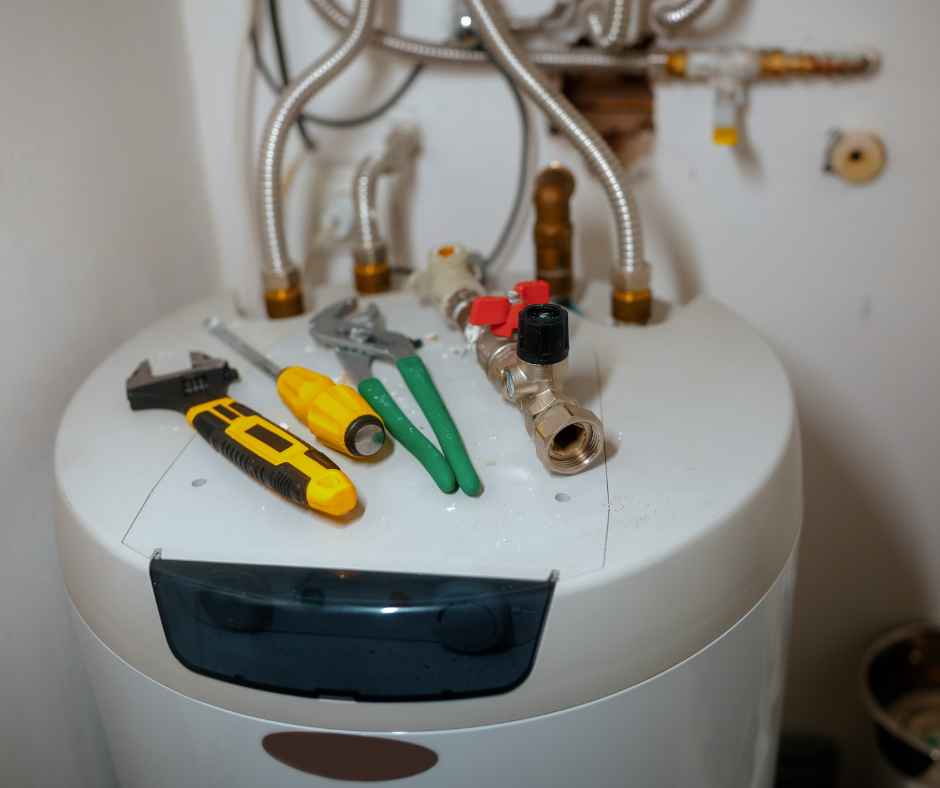
In the Valley of the Sun, choosing between a gas and electric water heater is a major financial decision for your home. With utility rates for APS and SRP shifting this spring and our notoriously hard water, the “best” choice depends on more than just the price tag. At Plumbing Masters, we want to help you navigate these costs so you can make the smartest investment for your Phoenix property.
Whether you are building a new home in Scottsdale or replacing an aging unit in Mesa, understanding the long-term operational costs is essential. Arizona’s unique climate and utility landscape mean that the national averages often do not apply to us. In this guide, we will break down the math of Arizona water heating to help you decide which fuel source will put more money back in your pocket.
The Operational Audit: Arizona Gas vs. Electric Rates
As of March 2026, the cost gap between gas and electric power in Arizona is widening due to recent regulatory changes. APS has moved forward with a significant rate increase that adds nearly $20 to the average monthly residential bill, while Southwest Gas has implemented minor rate reductions for many Valley customers. Because electricity is becoming more expensive, a natural gas water heater typically offers lower monthly operating costs for the average family of four. However, the efficiency of your unit and your specific rate plan will ultimately dictate your personal savings.
Choosing the right fuel source requires a close look at how and when you use hot water. To understand the operational math for your Phoenix home, consider these utility factors:
- Southwest Gas Therm Pricing: Paying for actual fuel consumed rather than a flat service rate during the low-demand summer months.
- APS and SRP Peak Hours: Avoiding high-cost electricity windows between 4 p.m. and 7 p.m. when electric heating elements are most expensive to run.
- Energy Factor (EF) Ratings: Comparing the thermal efficiency of modern gas burners against standard electric resistance coils.
- Standing Pilot vs. Electronic Ignition: Eliminating the “always-on” gas flame in older models to save on wasted fuel.
- Monthly Customer Service Charges: Factoring in the base cost of maintaining a gas account if you do not have other gas appliances.
- Winter vs. Summer Inlet Temperatures: Recognizing that Arizona’s “cold” water is significantly warmer in the summer, which reduces the work for both systems.
- Time-of-Use Plan Flexibility: Shifting your laundry and dishwashing to off-peak hours to maximize the value of an electric tank.
These variables create a complex financial picture that varies across neighborhoods. By analyzing your previous utility statements, you can determine which energy source is currently the most cost-effective for your household.
Installation Realities: The Upfront Investment in Phoenix
While gas units are often cheaper to run, electric water heaters are almost always cheaper to install. If your home is not already equipped with a gas line and a proper venting system, the cost to convert can range from $1,500 to $3,000 before you even buy the unit. Electric models are essentially “plug and play” if the wiring is already in place, though you must ensure your electrical panel can handle the 30-amp load required for a standard tank. In Maricopa County, the cost of labor and municipal permits must also be factored into your initial budget.
For many homeowners, the upfront cost of an electric heater outweighs the long-term operating costs of a gas model. To accurately budget for your next installation, keep these logistical costs in mind:
- Gas Line Extension: Running new black iron or CSST piping from your main meter to the water heater location.
- Vertical Venting Requirements: Installing a double-wall vent through the roof to safely exhaust carbon monoxide from a gas unit.
- Electrical Circuit Dedicated Loads: Verifying that your home has the available breaker space for a high-wattage electric heating element.
- Combustion Air Clearances: Ensuring a gas unit has enough oxygen in a tight closet to burn safely and efficiently.
- Maricopa County Permit Fees: Accounting for the cost of official inspections required for all new fuel-line or venting work.
- Unit Footprint and Placement: Navigating the space constraints of a standard Arizona garage or utility closet.
- Old Unit Disposal: Factoring in the labor to drain, haul away, and recycle your heavy, sediment-filled old tank.
If you are performing a “like-for-like” replacement, your costs will be significantly lower than a fuel conversion. However, making the switch now could save you thousands over the next decade if gas rates remain stable while electricity continues to climb.
Hard Water and Maintenance: The Arizona “Lifespan” Factor
Arizona is home to some of the hardest water in the country, which acts as a “silent tax” on your water heater. As water is heated, minerals like calcium and magnesium settle at the bottom of the tank, forming a thick layer of scale. This scale acts as an insulator, forcing a gas burner to heat through a “rock” before it can reach the water, or causing electric elements to overheat and burn out. Without consistent water heater maintenance, any unit in Phoenix will see its lifespan cut short by several years.
Whether you choose gas or electric, the chemistry of the Valley’s water will be your biggest challenge. To protect your investment and maintain your energy efficiency, prioritize these maintenance steps:
- Annual Tank Flushing: Removing the “calcium crunch” from the bottom of the tank to ensure heat can transfer directly to the water.
- Sacrificial Anode Rod Checks: Replacing the magnesium rod every three years to prevent the hard water from eating the steel tank itself.
- Dip Tube Inspections: Ensuring the plastic tube that delivers cold water to the bottom of the tank hasn’t crumbled into the system.
- TPR Valve Testing: Checking the Temperature and Pressure Relief valve annually to prevent a dangerous over-pressurization event.
- Mineral Scale Mitigation: Considering a whole-home water softener to stop scale from forming inside your heater in the first place.
- Thermostat Calibration: Setting your temperature to 120 degrees to reduce the rate of mineral precipitation and prevent scalding.
- Leak Detection Systems: Installing a smart shut-off valve to protect your home if the hard water finally causes the tank to fail.
Regular water heater maintenance is the only way to get the full 10 to 12 years of life out of your unit. Neglecting these simple tasks will lead to higher bills and a premature replacement, regardless of which fuel source you use.
The Hybrid Contender: Why Heat Pumps Win in the Garage
If you are looking for the absolute lowest operating cost in Arizona, the hybrid heat pump water heater is the clear winner. These units use electricity, but rather than using resistance coils, they draw heat from the surrounding air and transfer it to the water. Because our Phoenix garages often reach over 100 degrees, these units have an endless supply of “free” energy to work with. As a bonus, they blow out cool, dry air as a byproduct, making your garage much more comfortable during the summer months.
While the upfront cost is higher, the federal tax credits and local utility rebates available in 2026 can offset nearly half of the price. To see if a hybrid model is right for your Arizona home, consider these high-efficiency benefits:
- Exceptional Energy Factor: Achieving an efficiency rating of 3.0 or higher, compared to the 0.6 to 0.9 range of standard tanks.
- Garage Cooling Effect: Dropping the temperature in your utility space by several degrees while the unit is actively heating water.
- Smart Mode Switching: Choosing between “Heat Pump” mode for maximum savings and “High Demand” mode for when guests are visiting.
- Integrated Dehumidification: Helping to keep your garage dry, which protects your stored items from the “monsoon” humidity.
- Longer Warranty Periods: Benefitting from the higher build quality typically found in these premium, Energy Star-certified models.
- Utility-Specific Rebates: Checking with APS or SRP for “instant” discounts that are often applied at the point of sale.
Your Expert Guide to Arizona Water Heating
Choosing between gas and electric is about balancing your current budget with your long-term savings goals. At Plumbing Masters, we have been the Valley’s trusted experts since 1986, and we know exactly how to handle the unique challenges of Arizona plumbing. We provide transparent, side-by-side quotes for gas, electric, and hybrid models so you can see the “real” math for your home.
Don’t let a failing water heater leave you in the cold. A proactive replacement combined with a professional water heater maintenance plan is the best way to ensure your home has a reliable, affordable source of hot water for years to come. Contact Plumbing Masters today to schedule your consultation and find the perfect heating solution for your Phoenix lifestyle.
Recent News

What Causes Repeated Drain Clogs in Older Glendale Homes?
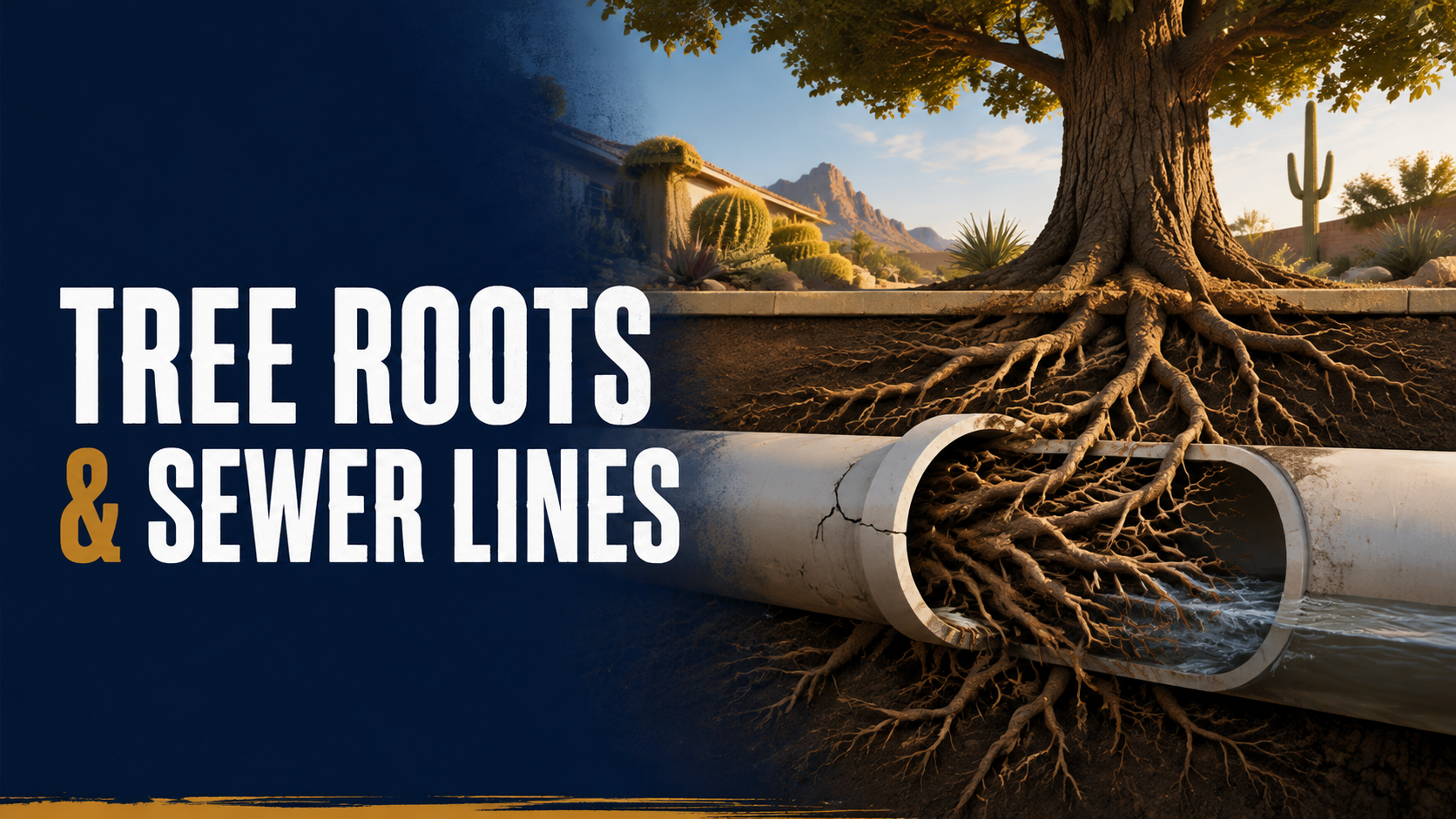
Why Tree Roots Continue to Cause Sewer Problems Across Mesa
Slab Leak Repair or Repiping? What Phoenix Homeowners Should Do When an Underground Pipe Starts Leaking
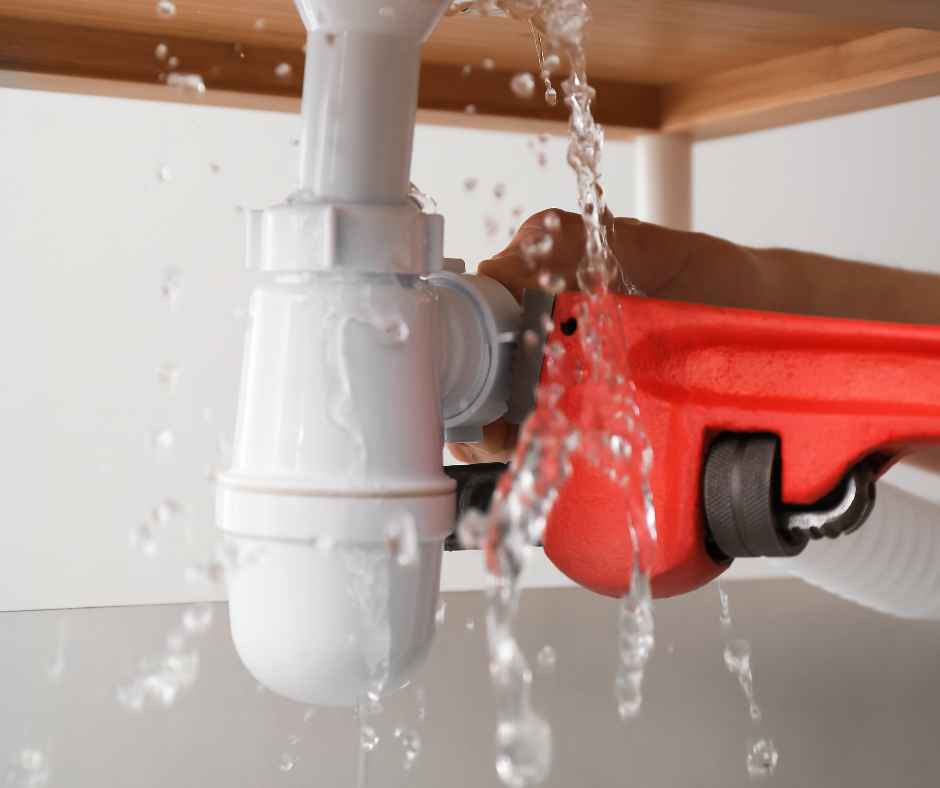
Vintage Plumbing in Verrado vs. New Builds in North Peoria: What Every Homeowner Needs to Know
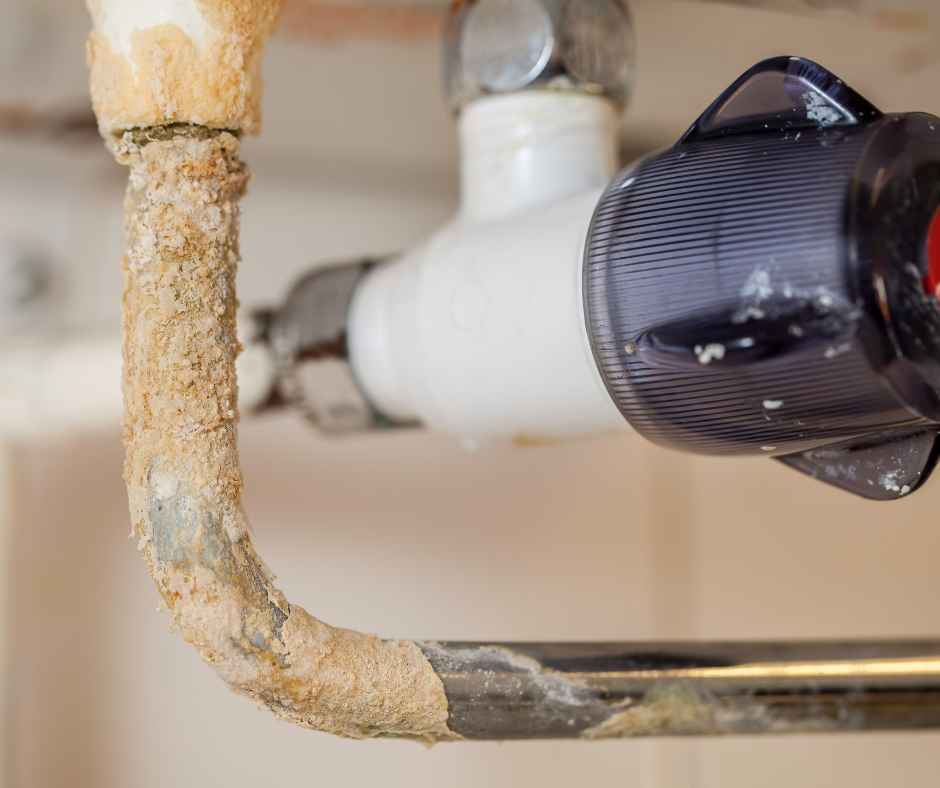
The Invisible Tax: How Phoenix Hard Water Shortens Your Water Heater’s Life by 40%
Monsoon Prep: Why Arizona “Slab Leaks” Spike After Heavy Rains