Proudly Serving the Phoenix Metro Area



Hydro Jetting vs. Traditional Drain Cleaning: Which Is Worth It for Phoenix Clogs?
Maintaining a healthy plumbing system in the Valley of the Sun presents challenges that differ significantly from those in other parts of the country. Between the aggressive mineral content in our local water supply and the relentless thirst of desert trees like the Palo Verde and Mesquite, Phoenix pipes are constantly under siege from both inside and out. When a drain slows or a main sewer line backs up, homeowners often face a choice between a traditional drain snake and the high-tech power of hydro jetting. While both methods serve a purpose, the long-term effectiveness of each varies wildly depending on the type of obstruction and the age of your plumbing.
In this blog, we will break down the mechanics of hydro jetting versus traditional drain clearing to help you determine which investment offers the best value for your specific Phoenix home. By understanding the “why” behind recurring clogs, you can choose a solution that not only addresses the problem but also restores your pipes to their original flow capacity.
The Mechanical Approach: Why Drain Snaking Is Often Only a Stopgap
For decades, the motorized drain snake (also known as a drain auger) has been the go-to tool for residential plumbers. This method involves feeding a flexible metal cable with a specialized cutting head into the pipe to physically break apart a blockage. It is highly effective for localized clogs, such as a hairball in a shower drain or a small wad of paper in a toilet. Because it is a mechanical process that relies on torque rather than pressure, it is generally considered the safest option for older homes in historic Central Phoenix that may still have original, fragile piping.
However, the primary limitation of snaking is that it only addresses the immediate obstruction. A drain snake is designed to find the path of least resistance: as the cable rotates, it bores a small hole through the center of the clog to allow water to pass. This provides immediate relief but often leaves most of the buildup clinging to the pipe walls. For clogs caused by grease, soap scum, or heavy mineral scale, the snake simply creates a temporary tunnel. As soon as you resume normal use of your sinks and showers, new debris begins to snag on the residual buildup, often leading to a repeat backup within months.
The Power of Scouring: How Hydro Jetting Tackles Hard Water Scale
If snaking is like using a drill, hydro jetting is like using a high-pressure power washer inside your sewer lines. This advanced technique uses a specialized nozzle that shoots water at pressures up to 4,000 PSI in multiple directions. As the technician feeds the hose through the cleanout, the forward-facing jet blasts through the core of the clog, while the rear-facing jets scour the entire circumference of the pipe wall. This 360-degree cleaning process removes virtually everything in its path, from congealed cooking grease to the thick “calcification” that is a hallmark of Phoenix plumbing.
Several factors make hydro jetting a superior choice for comprehensive pipe restoration:
- Complete Diameter Restoration: Unlike a snake that pokes a hole, a hydro jet restores the pipe’s full internal diameter, allowing maximum water flow and reducing the risk of future snags.
- Removal of Soft Sludge: Hydro jetting is the only effective way to emulsify and flush out “sludge” and grease that a metal cable would simply pass through without clearing.
- Chemical-Free Cleaning: This method relies entirely on the kinetic energy of water, making it a safe and environmentally friendly option for Phoenix families who want to avoid harsh acid-based drain cleaners.
- Versatility in Long Runs: High-pressure hoses can reach much deeper into a sewer system than traditional cables, allowing plumbers to clear clogs hundreds of feet from the home.
- Polished Surface Finish: By “scrubbing” the pipe walls, hydro jetting leaves the pipe interior smooth, making it much harder for new waste and minerals to find a foothold.
In a city where hard water is a daily reality, this level of thoroughness is often the only way to break the cycle of recurring service calls. While the upfront cost of hydro jetting is higher than a standard snaking service, the result is a pipe that is nearly as clean as the day it was installed.
Invasive Desert Roots: Why Phoenix Sewer Lines Face Unique Threats
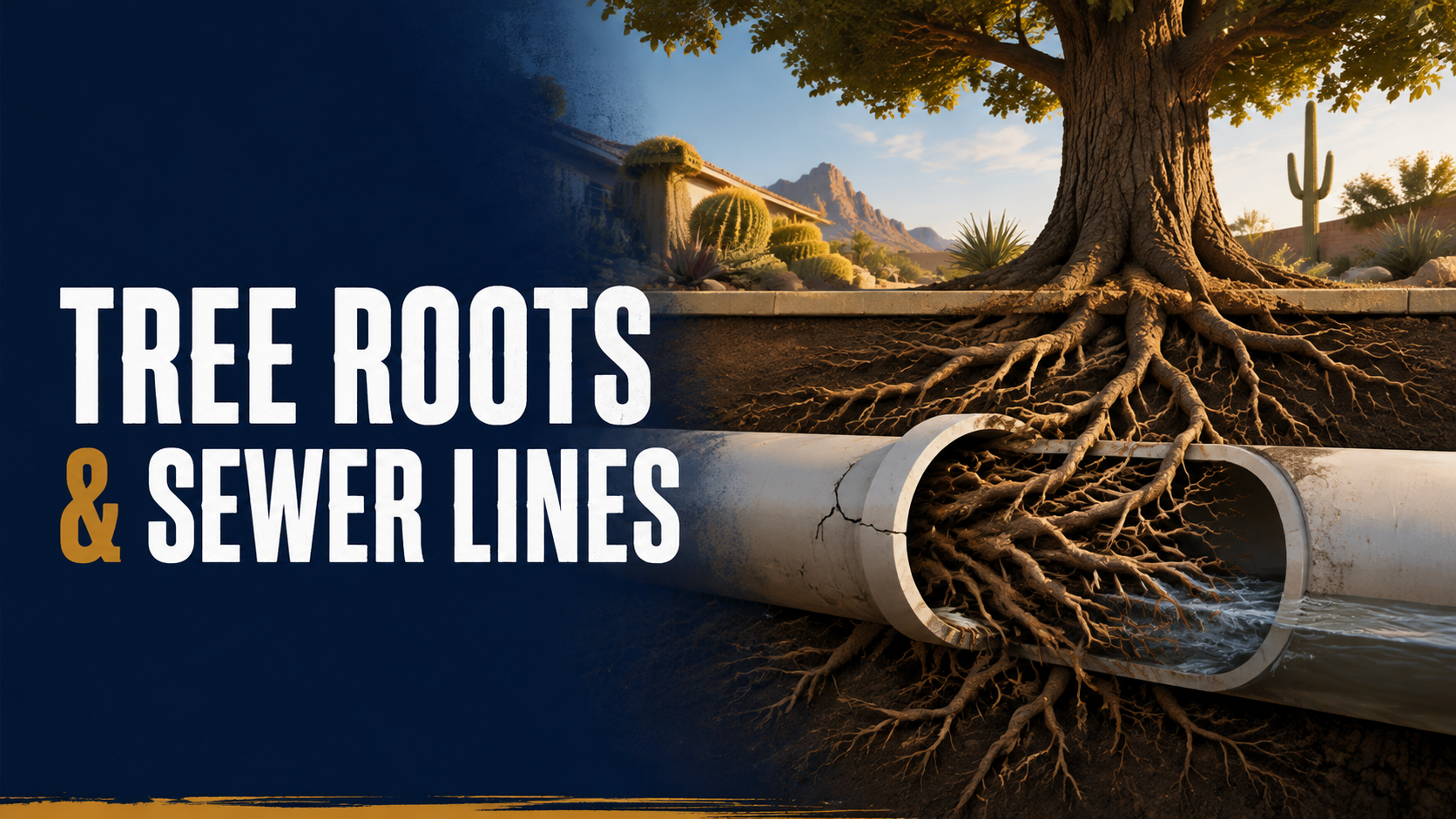
In the arid environment of the Sonoran Desert, tree roots are incredibly efficient at seeking out moisture. The sewer lines running beneath your yard are a constant source of water and nutrients, and even the smallest crack or joint separation can invite a root invasion. Once a single “feeder” root enters the pipe, it can quickly expand into a massive, tangled web that traps toilet paper and solid waste. Traditional snaking can rip through these roots, but it often leaves jagged stumps that regrow thicker and faster than before.
Hydro jetting offers a much more permanent solution for root management in Phoenix landscapes:
- Surgical Root Removal: Specialized “warthog” or rotating nozzles can saw through thick root masses, shearing them flush with the pipe wall to delay regrowth.
- Joint Cleaning: High-pressure water effectively flushes out pipe joints where roots typically enter, removing the organic material that attracts them.
- Pre-Lining Preparation: If your sewer line has structural damage from roots, hydro jetting is a mandatory first step to prepare the pipe for a trenchless “relining” or “epoxy coating” repair.
- Diagnostic Clarity: By clearing the root mass entirely, a plumber can perform a more accurate camera inspection to determine exactly where the roots are entering and whether the pipe has been structurally compromised.
- Prevention of Total Collapse: Removing roots early with water pressure prevents the slow expansion of those roots from physically cracking or “bursting” the pipe from the inside out.
For homeowners in neighborhoods with mature landscaping, such as Arcadia or North Scottsdale, annual or biennial hydro jetting is often used as a preventative maintenance strategy. By keeping the main line clear of root “hair,” you can avoid the catastrophic expense of an emergency sewer line excavation.
Hard Water and Calcification: The Silent Threat to Valley Plumbing
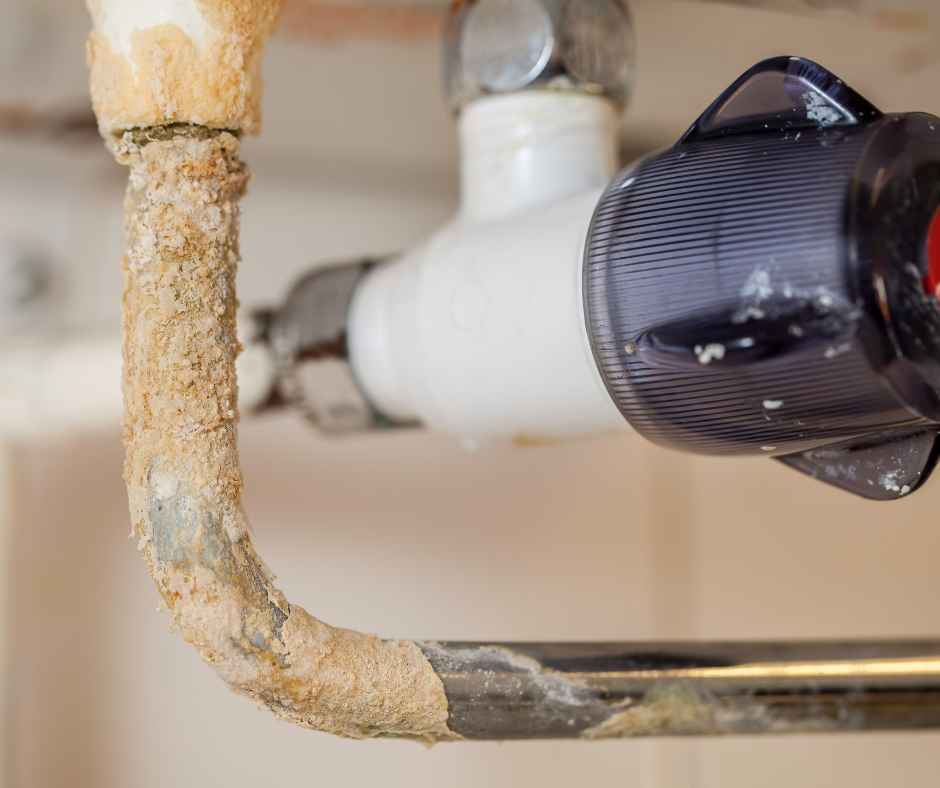
Phoenix is known for having some of the hardest water in the United States, with mineral counts that can exceed 15 to 25 grains per gallon. As this mineral-rich water flows through your drains, it leaves behind a crusty layer of calcium and magnesium. This process, known as calcification, turns your pipes into a rough, abrasive surface that traps hair and grease. Over time, this scale buildup can become so thick that it reduces a four-inch sewer line to the size of a garden hose, leading to slow drains and frequent gurgling.
Traditional mechanical tools struggle with calcification because the scale is often as hard as concrete. A drain snake may bounce off these deposits or only scrape away a thin layer, leaving most of the restriction intact. Hydro jetting, however, is specifically designed to disintegrate this mineral scale. The high water pressure acts like a liquid chisel, breaking the bond between the calcium and the pipe wall and flushing debris into the municipal main. This is particularly critical for homes with cast iron pipes, where the rough interior surface is naturally prone to “catching” minerals and developing heavy scale.
Pipe Longevity and Material: Is Jetting Safe for Your Phoenix Home?
While hydro jetting is a powerful tool, it is not a “one size fits all” solution. The age and material of your plumbing are the most important factors in determining whether your system can handle high-pressure water. In modern Phoenix subdivisions built with PVC (plastic) piping, hydro jetting is extremely safe and effective. However, older homes built between the 1940s and 1970s often feature cast iron or “Orangeburg” (bituminous fiber) pipes. As these materials age, they can become brittle or thin, and the intense pressure of a hydro jet could cause a pipe to burst or collapse if it is already in advanced decay.
At Plumbing Masters, we prioritize the structural integrity of your home through a strict safety protocol:
- Mandatory Camera Inspection: We never perform hydro jetting without first running a fiber-optic camera through the line to assess the condition of the pipe walls and identify any existing cracks.
- Pressure Calibration: Our technicians adjust PSI settings based on pipe material, using a gentler approach for older cast iron and a more aggressive setting for modern PVC.
- Identification of “Orangeburg” Pipes: If we detect fiber-based piping, which was common in some mid-century Phoenix developments, we typically recommend a traditional snake or a full replacement, as these pipes are not compatible with high-pressure cleaning.
- Assessment of Joint Integrity: We check for “bellies” or “offsets” in the line where the soil has shifted, ensuring that the water pressure will not further displace the pipe segments.
- Targeted Nozzle Selection: We choose the specific nozzle head that matches the type of buildup, whether it is a “flushing” nozzle for grease or a “cutting” nozzle for roots, to minimize unnecessary stress on the pipe.
By combining advanced diagnostics with expert operation, we ensure that hydro jetting remains a restorative service rather than a destructive one. If your pipes are too fragile for high pressure, we will provide an honest assessment and discuss alternatives such as traditional snaking or trenchless pipe relining.
2026 Cost Analysis and Long-Term Value for Phoenix Homeowners
As of 2026, the average cost for a professional drain snaking in the Phoenix metro area typically ranges from $190 to $255 for a standard secondary line. Hydro jetting requires a higher initial investment, with costs typically ranging from $350 to $800, depending on the line length and the severity of the blockage. While the price difference is significant, the value proposition of hydro jetting becomes clear when you look at the frequency of repairs. A homeowner who pays for snaking every six months to manage a recurring grease or root issue will quickly spend more than the one-time cost of a comprehensive hydro jetting service that keeps the line clear for years.
Furthermore, 2026 brings new emphasis on home efficiency and water conservation in the Valley:
- Water Conservation Compliance: New Phoenix city rules for 2025 and 2026 place greater emphasis on leak prevention. A clean, smooth sewer line reduces the internal pressure that often leads to “unseen” leaks and wasted water.
- Efficiency Arizona Rebates: While state rebates like HEAR and HOMES primarily target heat pumps and water heaters, many Phoenix families find that the energy savings from a more efficient plumbing system contribute to their overall “Efficiency Arizona” goals.
- Prevention of Emergency Fees: Emergency plumbing calls in Phoenix often carry a 50% to 100% markup. Investing in preventative hydro jetting during normal business hours is a proactive way to avoid a midnight sewage backup and the associated cleanup costs.
- Property Value and Disclosure: For those looking to sell their home in the competitive DFW or Phoenix markets, a “certified clean” sewer line with supporting camera footage is a major selling point that demonstrates the home’s infrastructure is sound.
- Protection of New Appliances: If you have recently invested in a high-efficiency dishwasher or laundry center, ensuring your drains are clear prevents the “backflow” of dirty water that can damage the sensitive pumps in these modern appliances.
Choosing the “worth it” option depends on your property’s long-term goals. If you are looking for a quick fix for a sink that was clogged by a single event, a traditional snake is the logical, budget-friendly choice. However, if you are battling the systemic issues of the Phoenix desert, hydro jetting is the only solution that provides a true “clean slate” for your plumbing system.
Expert Phoenix Drain Solutions from Plumbing Masters
When you are dealing with a stubborn clog or a recurring sewer backup, you need a partner who understands the specific environmental factors that impact Arizona homes. Since 2006, Plumbing Masters has been the trusted name for advanced drain and sewer cleaning throughout the Phoenix Valley. Our plumbers use state-of-the-art hydro jetting equipment and fiber-optic cameras to provide a level of “Master” precision that a simple drain snake cannot match.
Contact us today to schedule your drain inspection and discover why so many Phoenix homeowners are switching to the long-lasting power of hydro jetting.
Frequently Asked Questions
Can I rent a hydro jetter and do it myself?
We strongly advise against DIY hydro jetting. Extreme water pressure (up to 4,000 PSI) can cause severe physical injury or permanently damage your pipes if used at the wrong angle or pressure. Professional plumbers undergo extensive training to ensure the safety of both the operator and the plumbing system.
How often should I have my sewer line hydro jetted?
For most Phoenix homes, a hydro jetting service every two to three years is an excellent preventative measure. However, if your property has a history of extensive tree root intrusion, or you operate a home-based business that generates significant grease, an annual cleaning may be more appropriate.
Will hydro jetting fix a collapsed pipe?
No, hydro jetting is a cleaning and restoration service, not a structural repair. If your pipe has already collapsed or “bellied,” high-pressure water will not fix the break. In these cases, we use a camera inspection to pinpoint the failure and recommend a trenchless repair or excavation.
Is hydro jetting noisy or messy?
The process is surprisingly contained. The jetting machine remains outside, and the hose is routed through an outdoor cleanout, so no wastewater enters your home during cleaning. You will hear a rushing water sound similar to a pressure washer, but the process is generally much cleaner than a traditional snake, which often brings up “sludge” into the house.
Does hard water scale significantly affect my sewer line?
Absolutely. In Phoenix, mineral scale creates a rough surface that acts like sandpaper. It snags everything from dental floss to food particles, turning a small amount of waste into a massive obstruction. Hydro jetting is the only way to “sand down” that mineral scale and restore a smooth flow.
Recent News
Why Tree Roots Continue to Cause Sewer Problems Across Mesa
Slab Leak Repair or Repiping? What Phoenix Homeowners Should Do When an Underground Pipe Starts Leaking
Vintage Plumbing in Verrado vs. New Builds in North Peoria: What Every Homeowner Needs to Know
The Invisible Tax: How Phoenix Hard Water Shortens Your Water Heater’s Life by 40%
Monsoon Prep: Why Arizona “Slab Leaks” Spike After Heavy Rains
Gas Line vs. Electric Water Heater: Which Saves You More in Arizona?